Bring the vote to the table
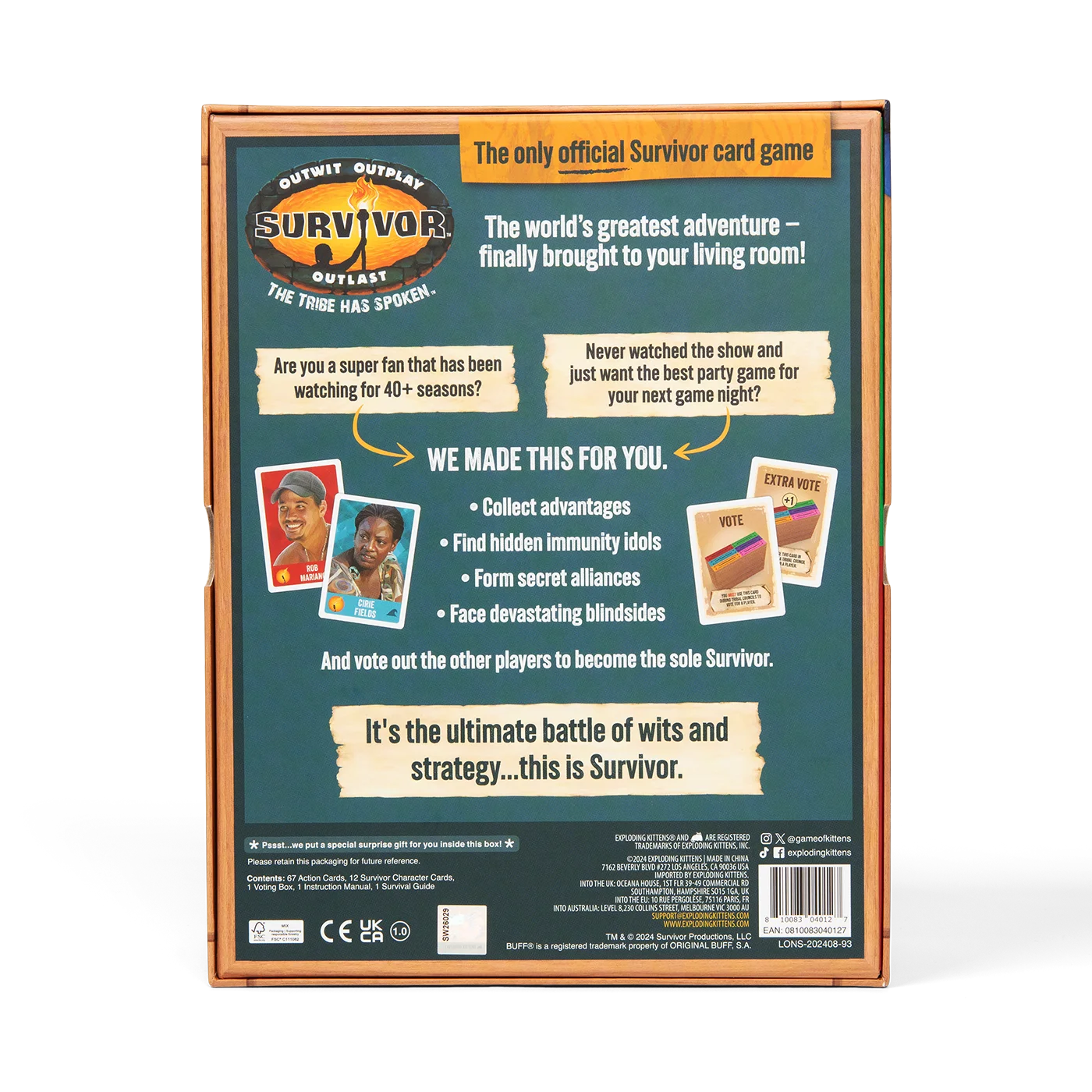
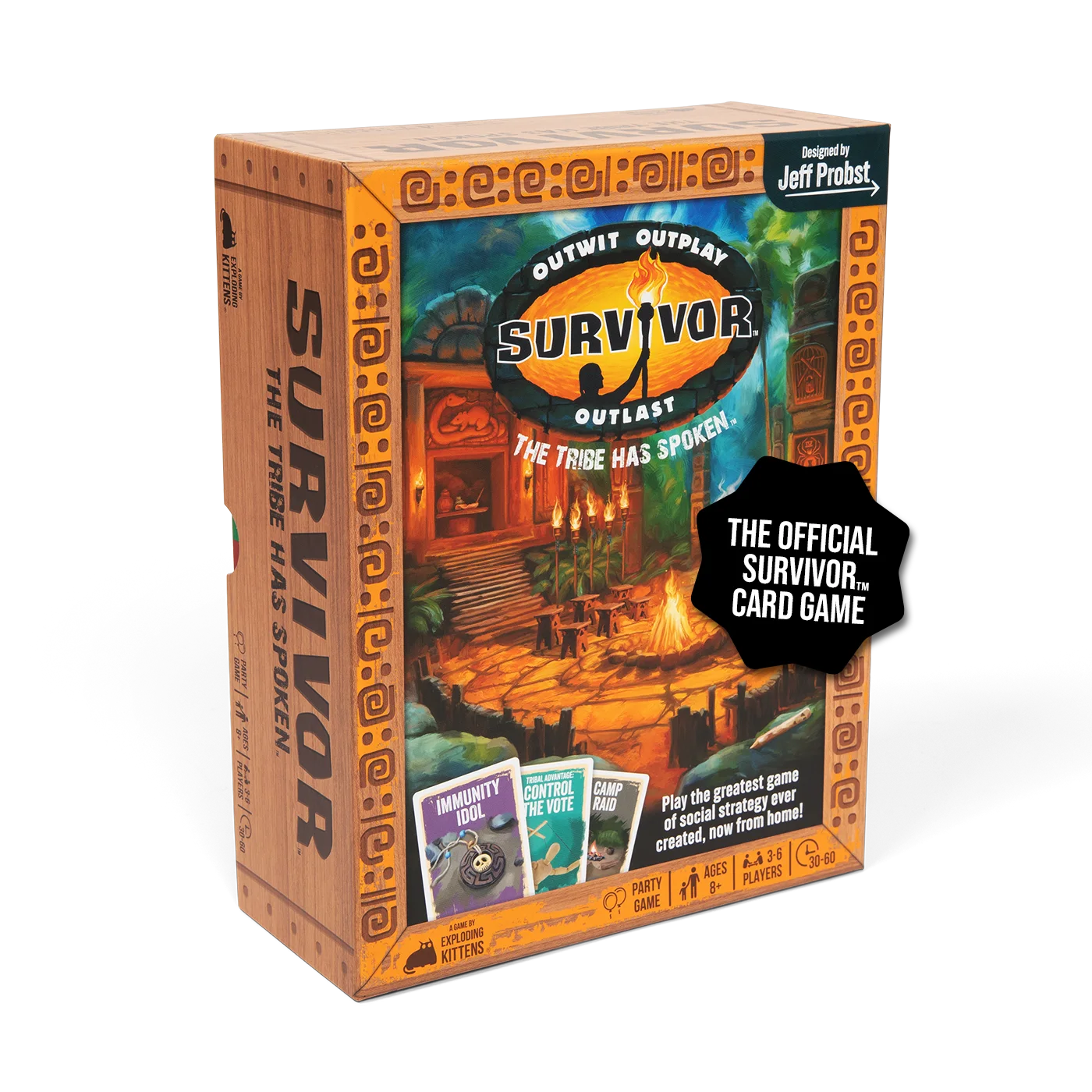
The memorable part of Survivor is not just a tropical setting. It is the conversation before a vote, when an alliance suddenly looks less certain. This official card game brings that social ingredient into a living-room session. It can suit a television fan, but the stronger buying question is whether your actual group enjoys persuasion and a little competitive mistrust. A familiar logo cannot fix a poor match with the people playing.
Check the evening you have available
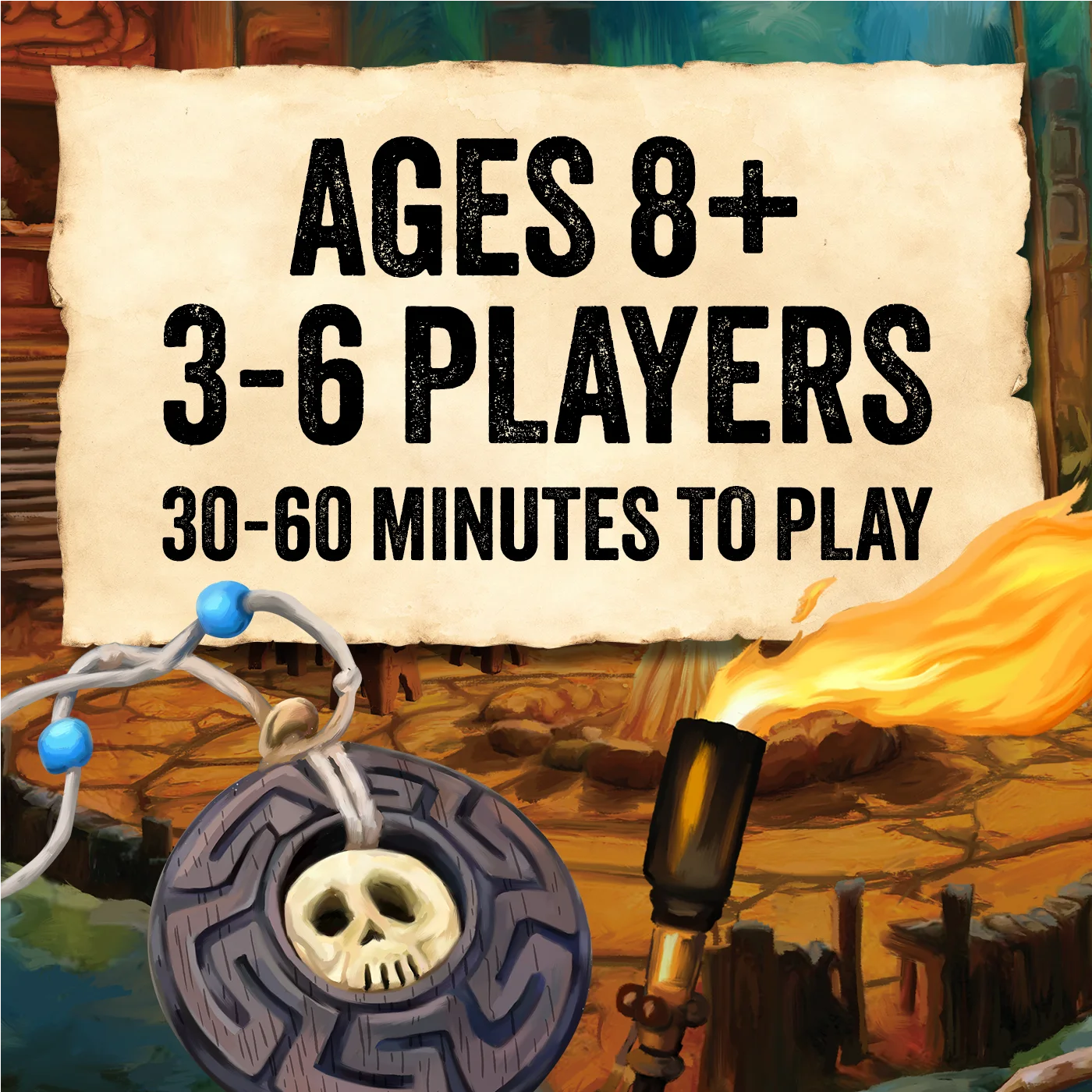
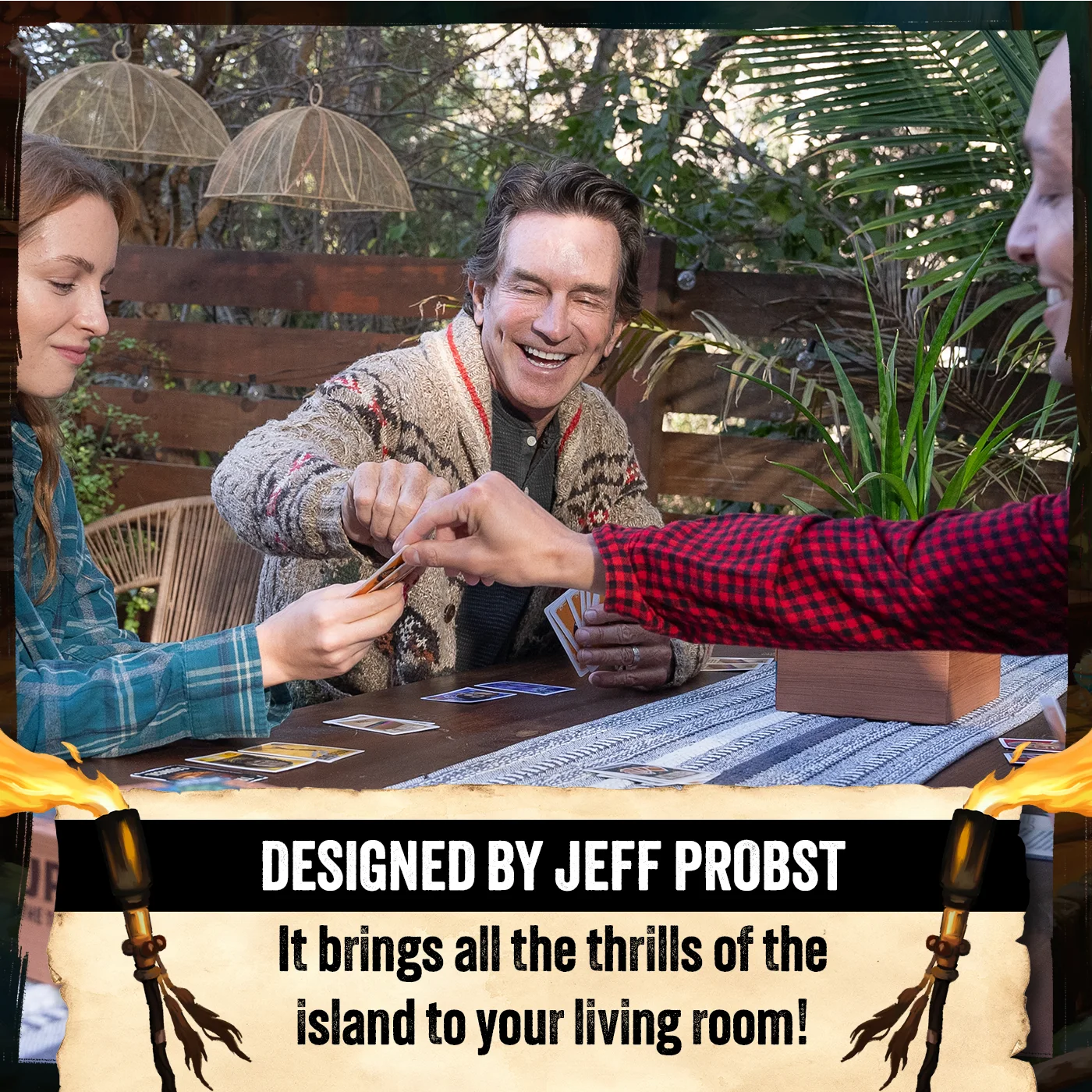
The publisher specifies three to six players, ages eight and up, and an estimated thirty to sixty minutes. Those are planning figures, not our measured play time. Allow room for explanation and discussion on a first session. This is not a two-player recommendation, and it is a different prospect from a five-minute filler between activities. Match the English edition to players who can follow the cards and rules comfortably.
The vote is the attraction and the limitation
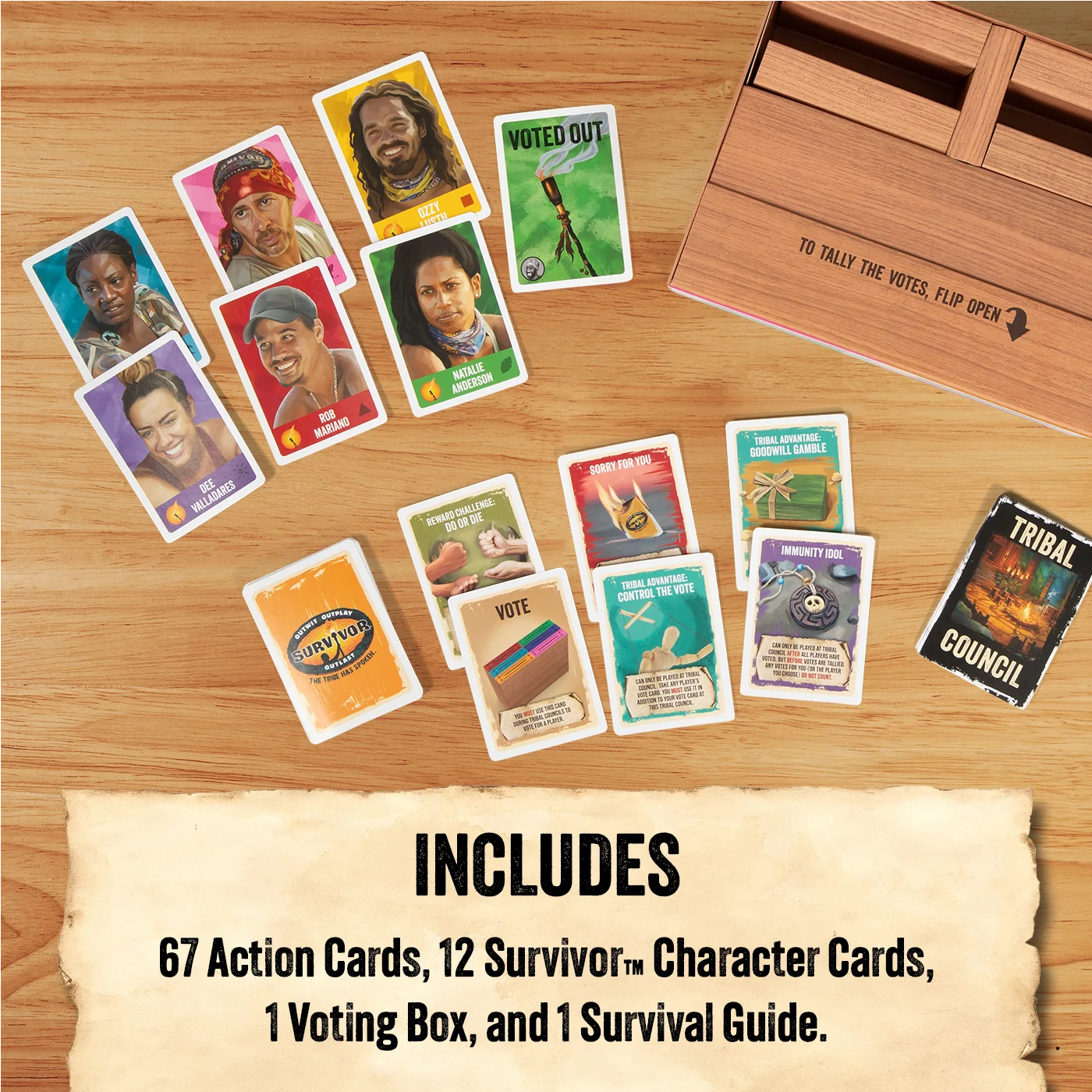
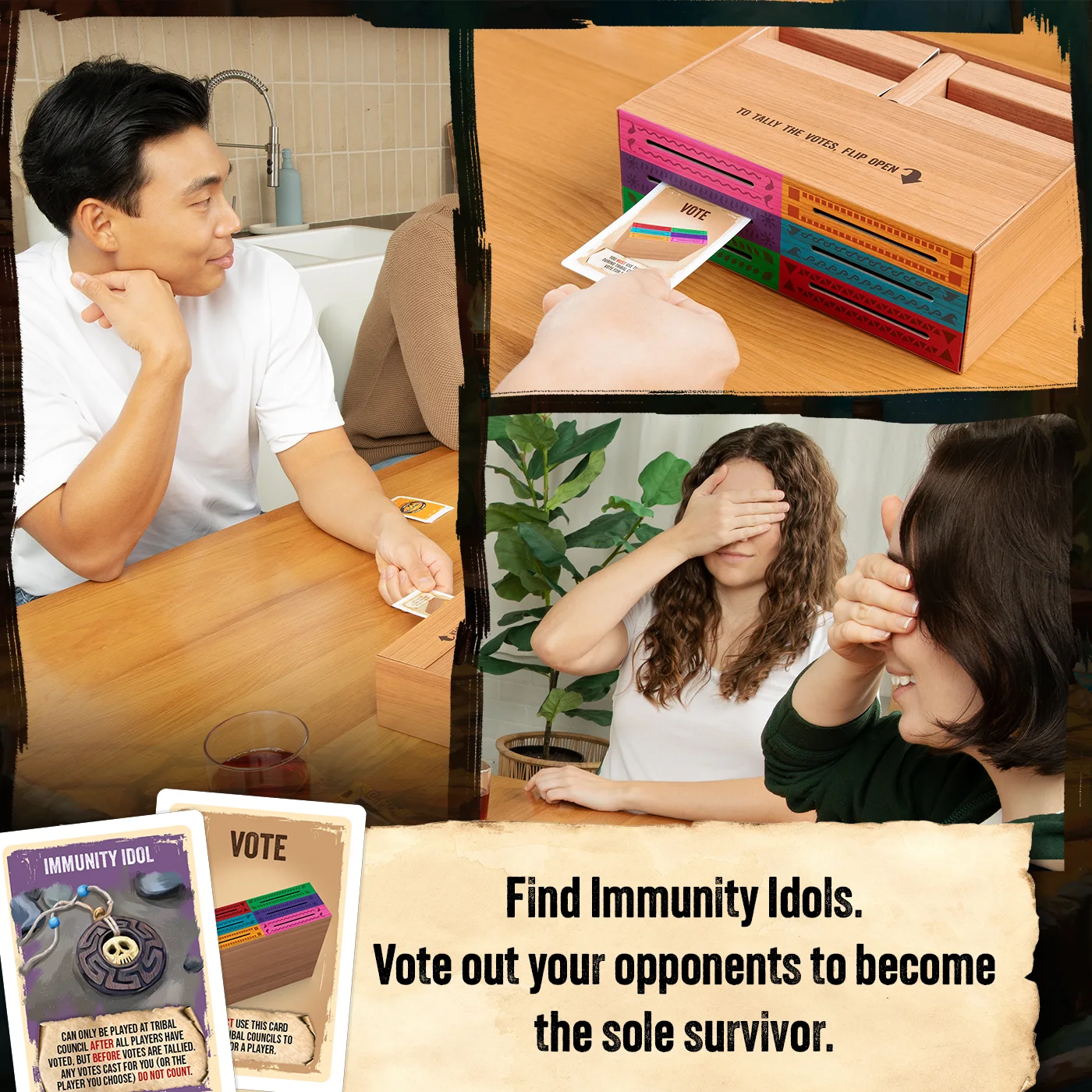
Advantages, immunity and private alliances lead toward eliminating opponents. Players eventually make their case to the eliminated players at the final decision. That gives an evening a story, but a group that takes exclusion personally may prefer a cooperative game. Explain the competitive premise before opening the box. Do not surprise a guest with a game built around voting them out when they expected everyone to work together.
The box does a job
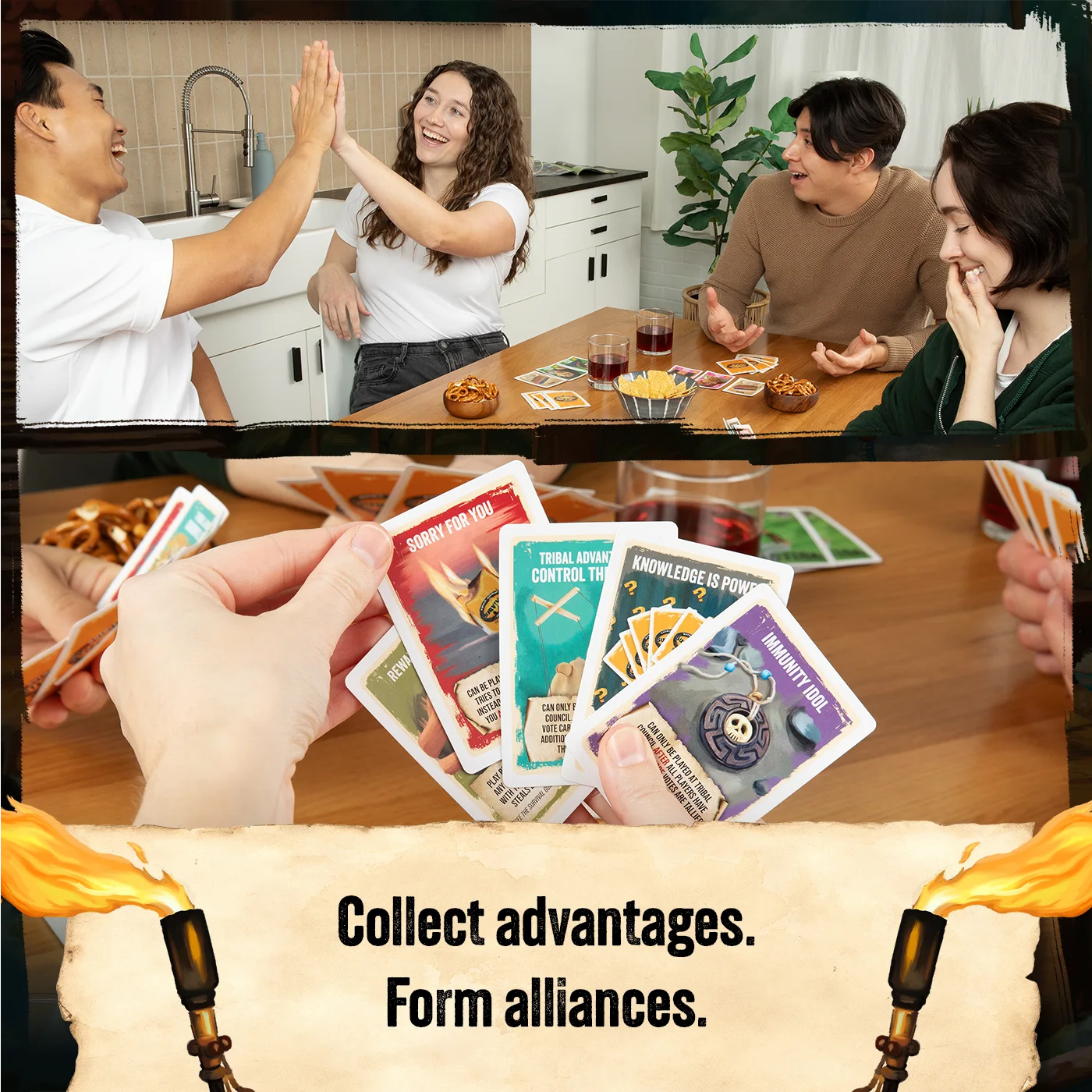
The selected SURV-CORE-3 set contains action and character cards, a voting box and a survival guide. Keep the box and instructions intact rather than treating all packaging as disposable. Read the voting procedure and relevant card rules before improvising. This is a tabletop interpretation of the show, not a collection of physical survival trials, and no outdoor equipment is part of the purchase.
Buy for the group, not only the fan
Choose it when several willing players can share a competitive session and enjoy discussing a betrayal afterwards. Skip it for solitary play, a couple’s game or a group seeking quiet cooperation. Our guide draws on the publisher’s rules and selected model information; we have not played a session or verified how every group responds. The emotional appeal is the possibility of a memorable social contest, not guaranteed laughter or a claim of improved relationships.