The elephant moves when you squeeze
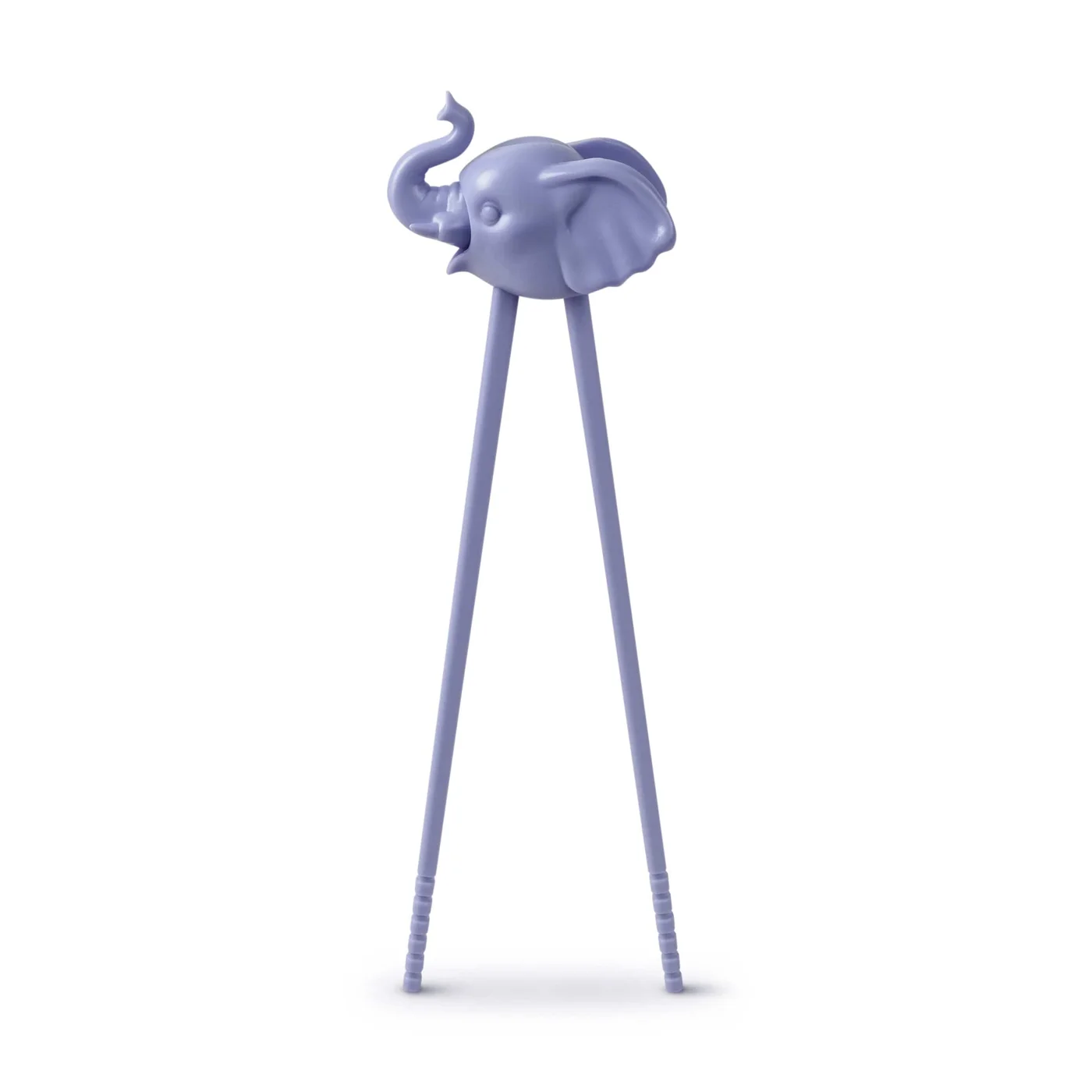
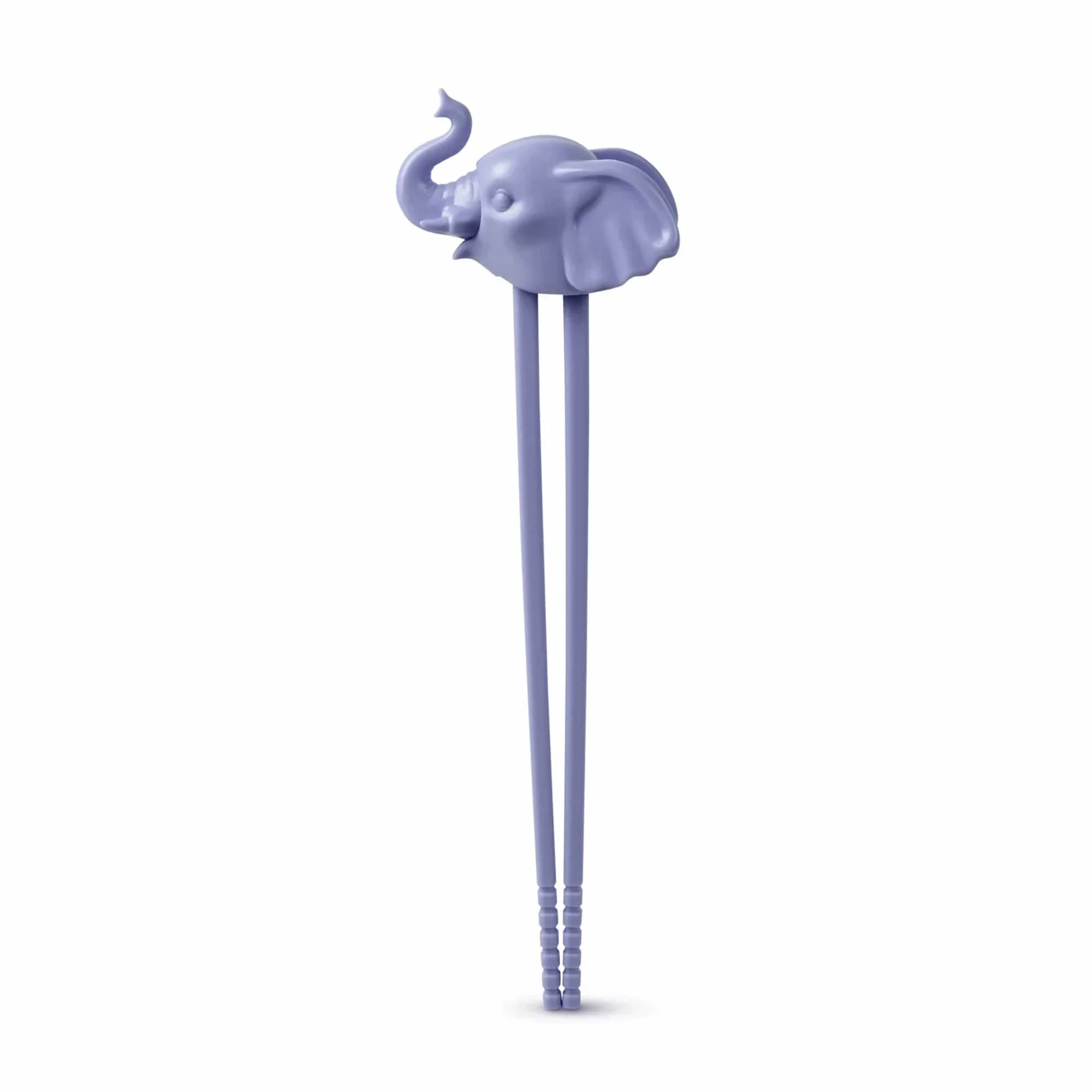
Munchtime’s elephant design links the chopstick action to a moving trunk. That gives an otherwise familiar utensil a visible bit of character. The attraction is easy to understand from the manufacturer gallery: the animation is part of operating the chopsticks, not a separate electronic feature with batteries or sounds.
Choose the utensil for the food
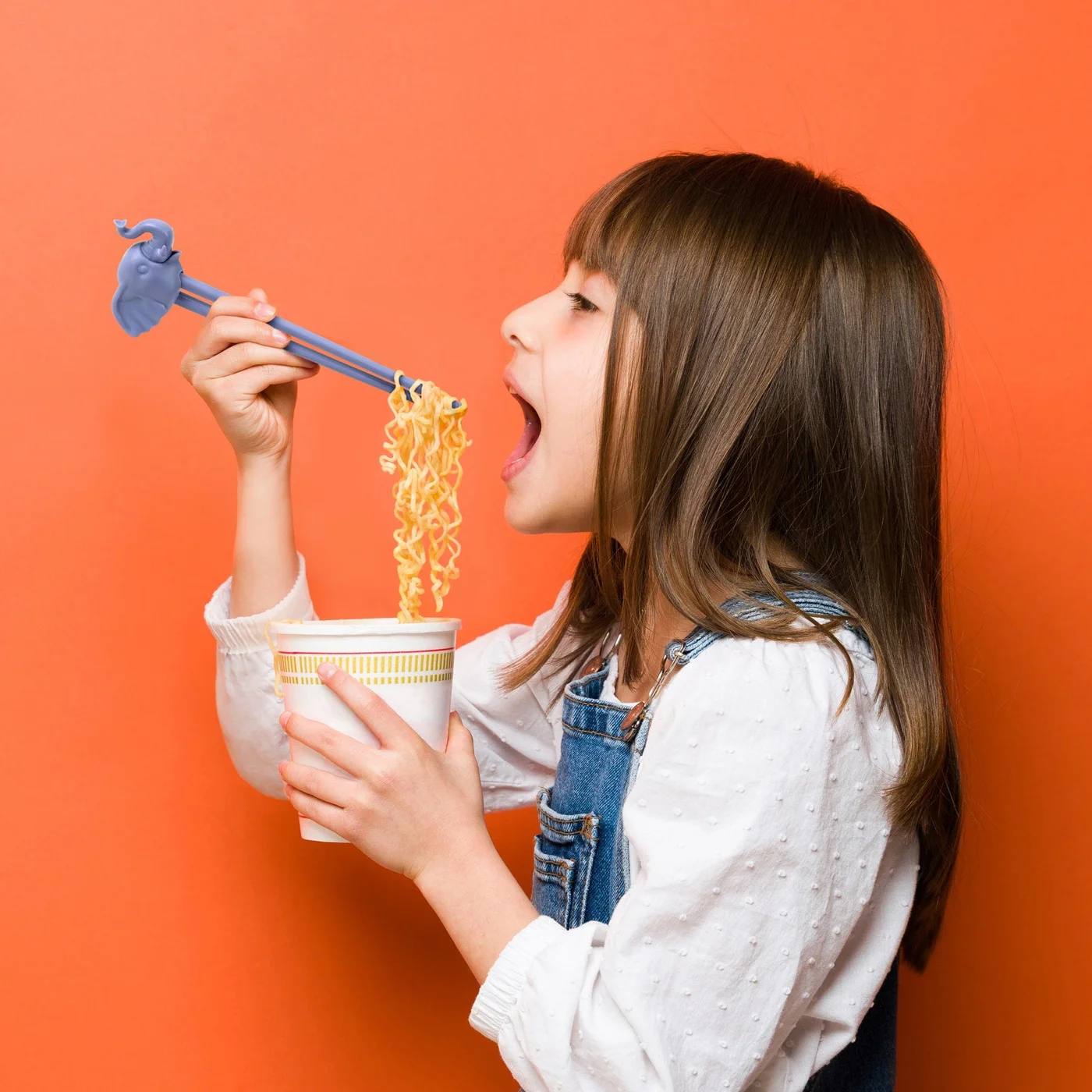
A hinged pair may be a playful introduction to picking up suitable small pieces. It is not automatically the easiest choice for soup, slippery noodles or a meal requiring a spoon. Think about the food you usually serve and the recipient’s coordination. Keep ordinary cutlery available rather than turning the novelty into a requirement at every meal.
Fun does not establish an eating benefit
Retail descriptions may frame animated utensils as help for picky eaters. We have not found a basis to promise that this product changes eating behaviour, improves nutrition or solves feeding difficulties. Choose it because the recipient likes the moving elephant, not as a treatment or a guaranteed way to persuade someone to finish dinner.
Check the real format before gifting
Fred lists food-safe ABS construction and a hinged design. The elephant version is not another animal in the same range. Inspect the product instructions for suitability and cleaning, supervise as appropriate, and stop using it if a part becomes damaged. Manufacturer scenes are references, not a Findweave test of handling or durability.
Keep the meal uncomplicated
The best use is a meal where the utensil adds a little enjoyment without making eating harder. A themed present can be personal when the recipient already likes elephants. Choose a conventional utensil when comfort, independence or a simpler cleanup matters more than a moving character.