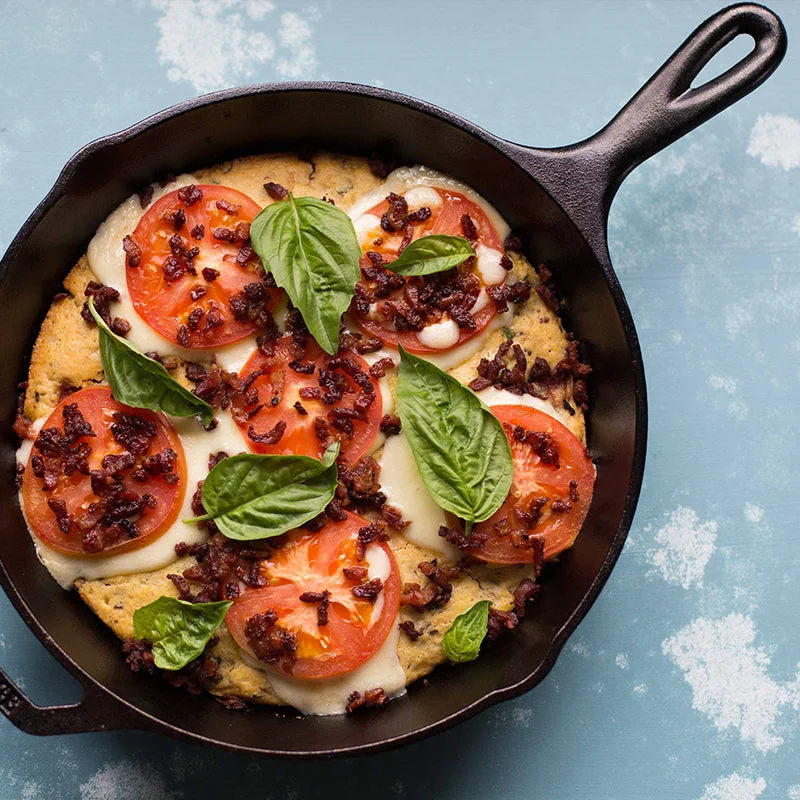
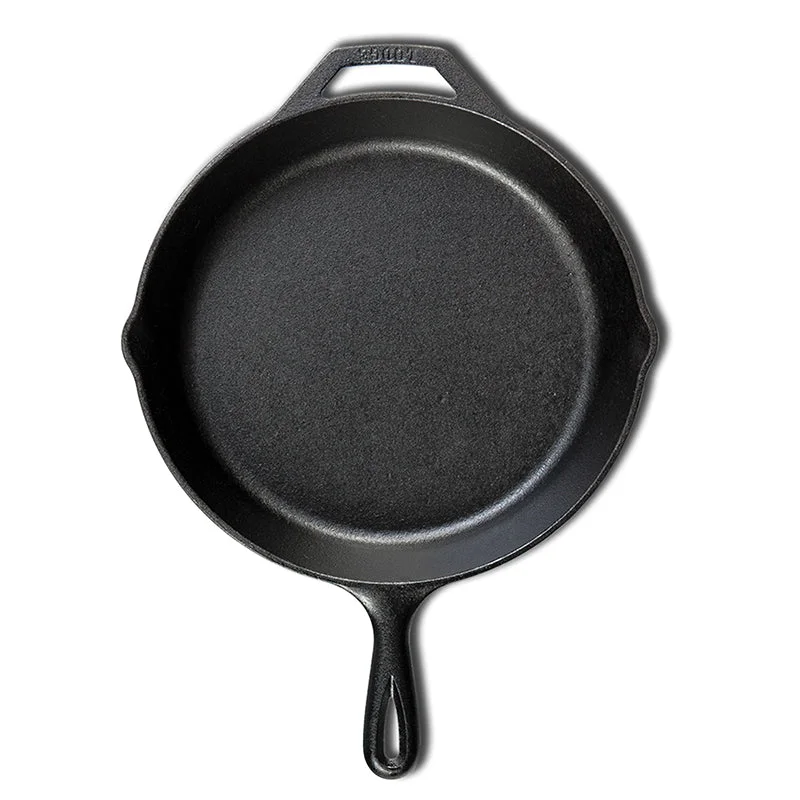
There is a particular appeal to a pan that does not ask to be replaced every few years. The Lodge 10.25-inch skillet looks like the straightforward version of that idea: iron, two pour spouts, a long handle and a small helper handle. But the most useful question is less romantic. Will this size cook the food you actually make without turning cleanup into a chore? A bigger skillet is not automatically more practical, and a smaller one is not automatically easier to handle.
First, draw the pan on your stove
Lodge calls this its 10.25-inch classic skillet. That is an outside diameter, not a guarantee of a ten-inch flat cooking floor. Cut a paper circle about that wide and place it on your usual burner. Imagine two servings of vegetables, a pair of eggs, or one large piece of protein. If your regular meals crowd the circle, compare Lodge’s 12-inch model before buying. If you generally cook for one or two and your stove and cabinet are small, this size may be the better compromise. The right answer is your food and storage, not a blanket rule about households.
The pleasure, and the cost, of heavy iron
Cast iron holds on to heat after it gets hot. That can help when food hits the surface, especially if the pan has been preheated properly. It also means a temperature change is not instant and the handle stays hot. If you routinely move a pan between stovetop and oven, confirm that your hand protection, oven space and lifting grip are ready for the weight. The small helper handle makes a two-hand lift possible; it does not make the pan light. Lodge’s own size guide is worth consulting if you are torn between diameters. We have not weighed this unit or tested heat distribution ourselves.
Factory seasoning is not a shortcut to care
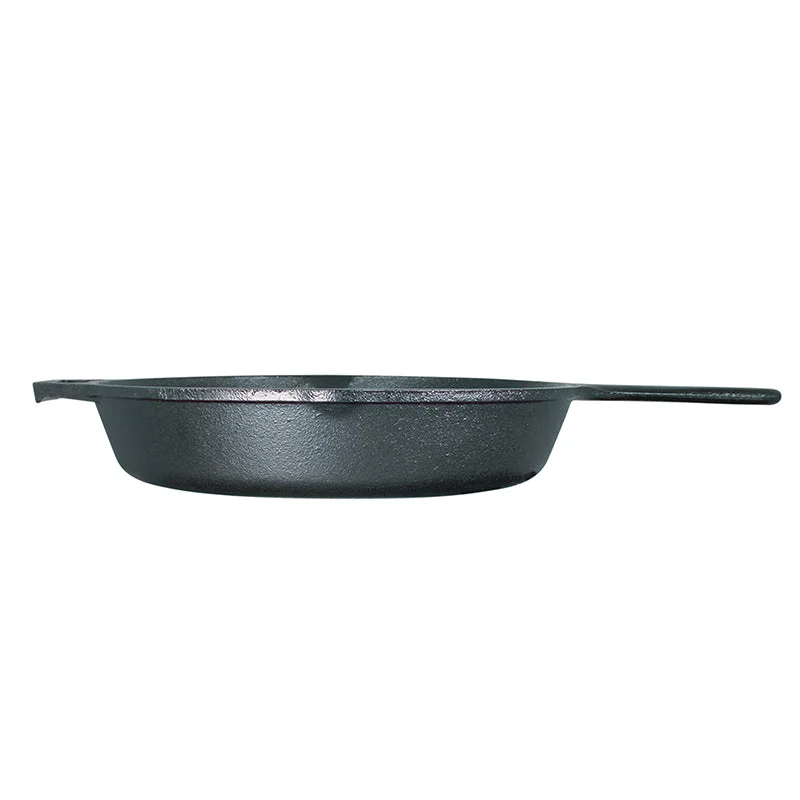
Lodge pre-seasons its cast iron. That means it arrives with an initial oil-based finish, not that every egg will slide out on day one like it would from a new coated nonstick pan. Heat, cooking fat, food type and a developing seasoning layer still matter. If effortless low-fat eggs are your daily priority, a separate nonstick pan might be a more honest match. If you cook seared vegetables, cornbread or dishes that move from stove to oven, the Lodge has a clearer role. Avoid hard promises about nonstick performance from photographs of shiny food.
Picture the last five minutes after dinner
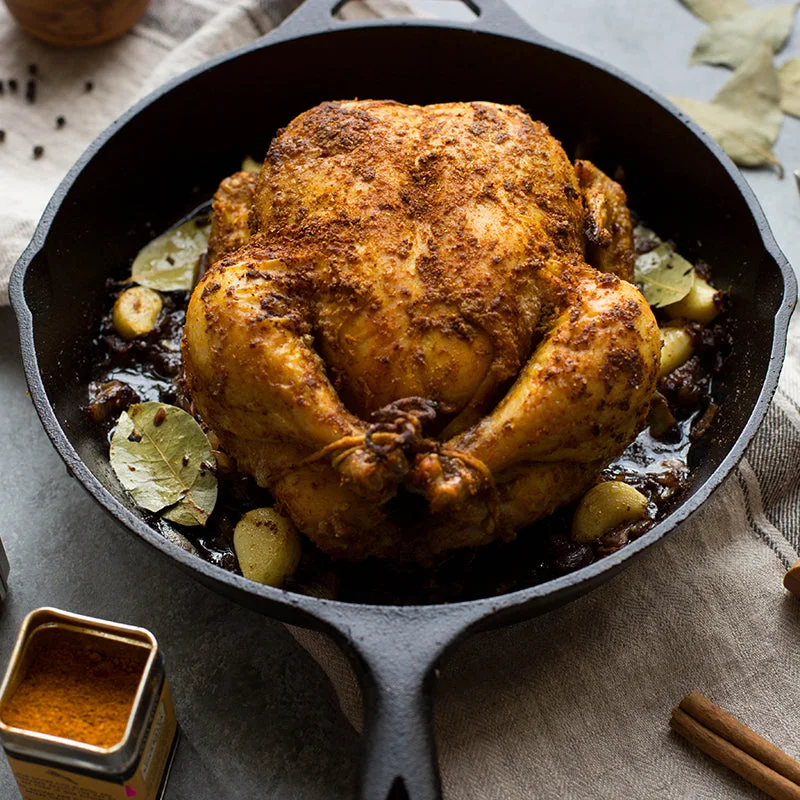
The easiest cast-iron routine is the one you will actually follow. Lodge advises washing, drying promptly and lightly oiling when needed. Leaving wet iron in a sink is not the same as leaving a stainless pan there; dishwasher cleaning is not the plan. Before buying, ask whether you have a place to dry it and a shelf that can take a heavy pan. The side pour spouts can help transfer drippings, but they will not compensate for an inconvenient storage position. If that care routine sounds irritating on an ordinary Tuesday, a different material may serve you better.
When to choose 10.25 inches, or pass
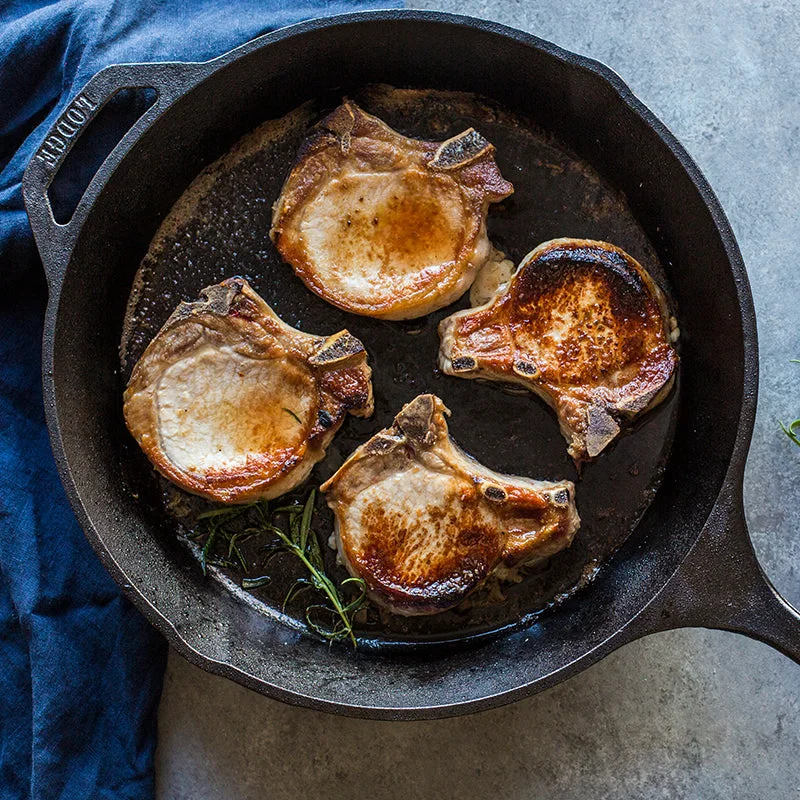
Choose this size when your meals fit the actual surface, you have a burner and shelf for it, and you do not mind the wash–dry–oil rhythm. Consider 12 inches when crowding the pan would cause you to cook in frustrating batches—but measure oven and storage clearance first. Skip cast iron if light handling or dishwasher cleanup is non-negotiable. The exact linked Amazon item is Lodge L8SK3, 10.25 inches, ASIN B00006JSUA. Confirm the selected size and condition on the retailer page; international delivery or a matching regional product is not guaranteed. This is a research-led size and care guide, not a hands-on cooking review.