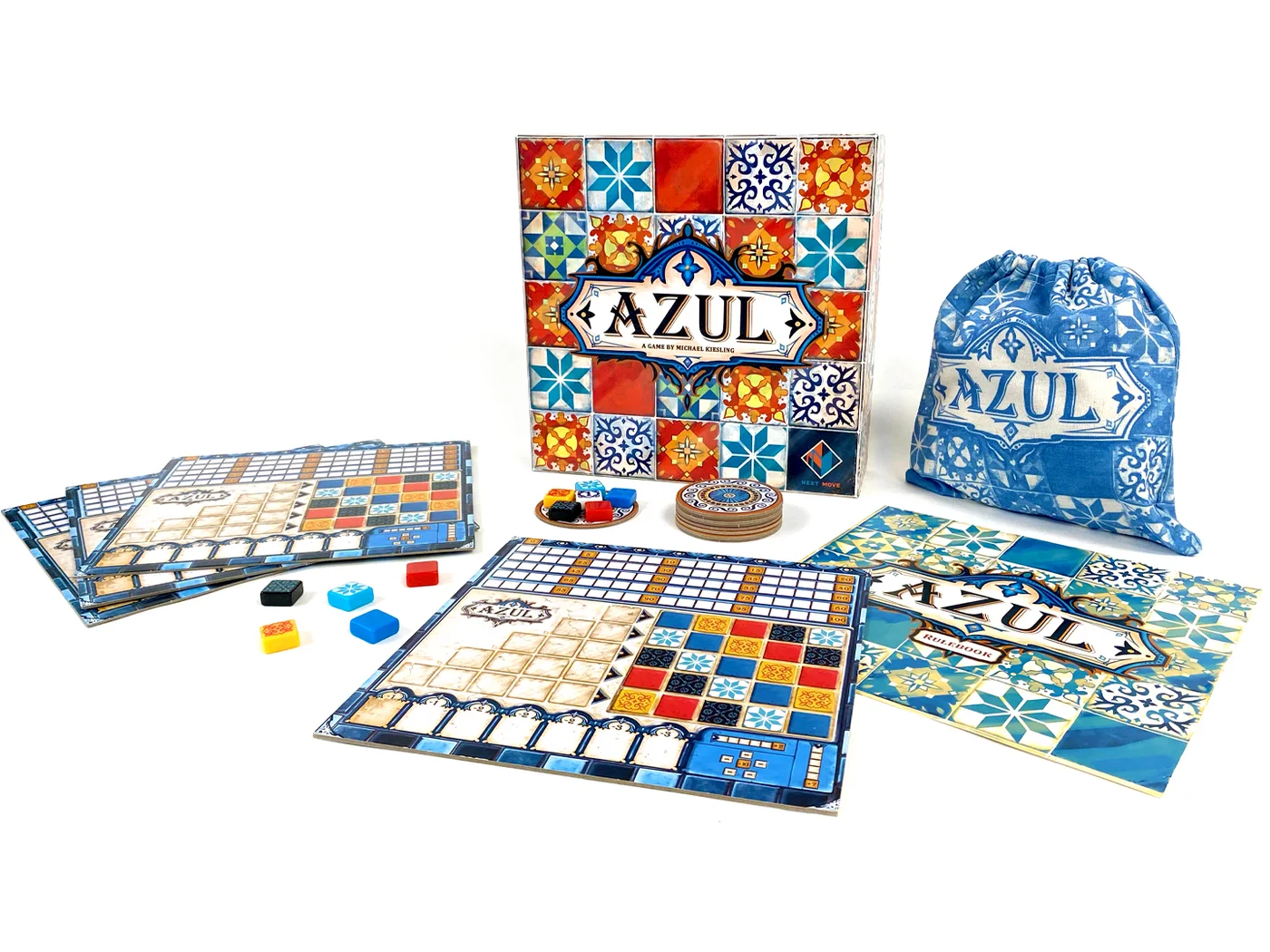
A bowl of colourful tiles can make game night look inviting before anyone knows the rules. The original Azul board game delivers that tactile appeal—but the interesting part is deciding which tiles to take before somebody else leaves you with the ones you cannot use.
A mosaic with a little bite
You take tiles from shared factory displays or the centre, filling pattern lines on your own board. Completed lines move a tile onto your wall and score; surplus tiles fall to the penalty row. The choices are compact enough to explain around the table, yet each pick changes what remains for everybody else.
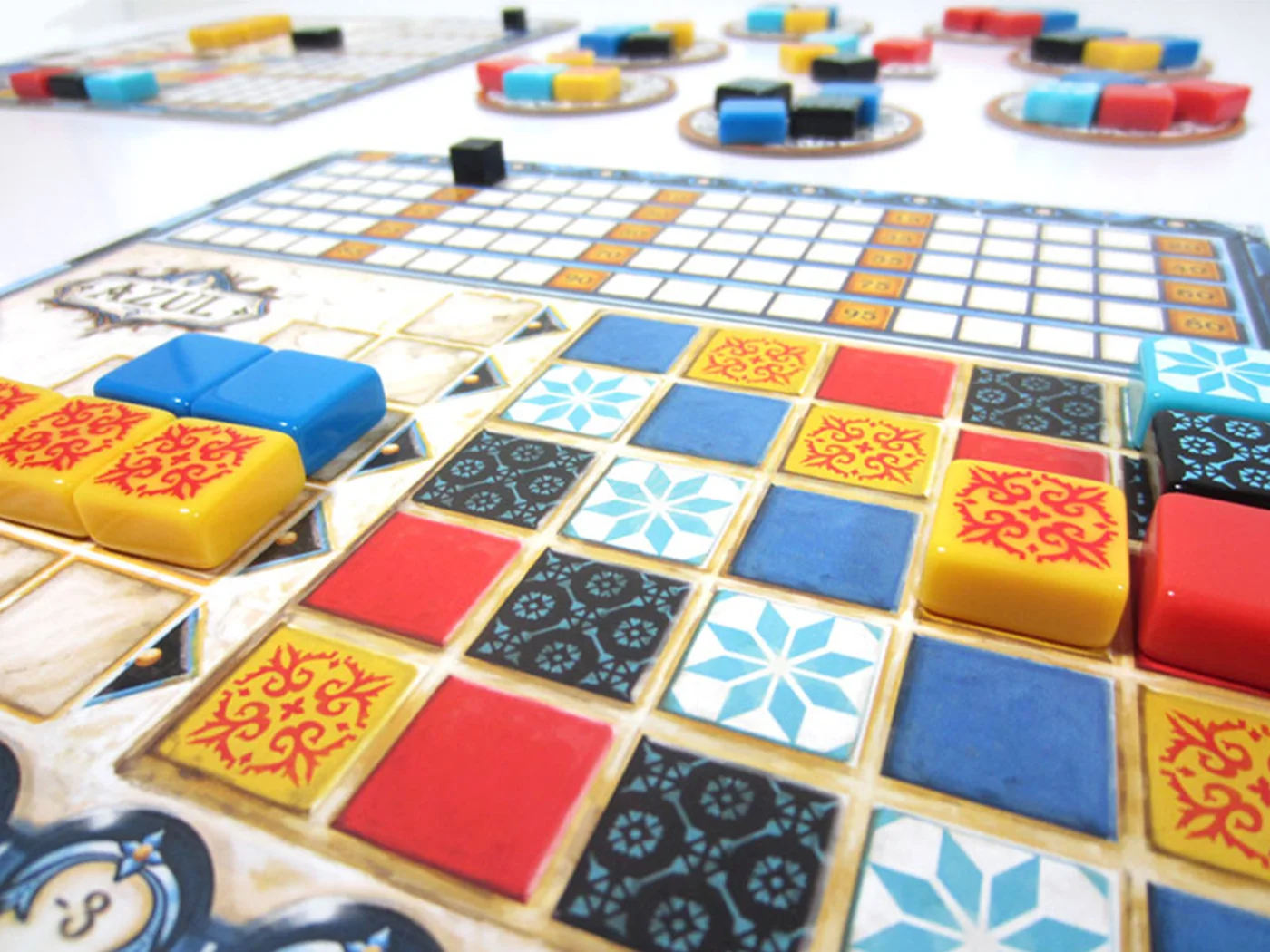
That shared supply matters. This is not a quiet colouring activity where everyone builds independently. Look at another player’s nearly finished line before taking the last useful colour. If friendly competition sounds more enjoyable than a loud party game, Azul offers an appealing middle ground. If your group dislikes being blocked, the pretty components will not remove that friction.
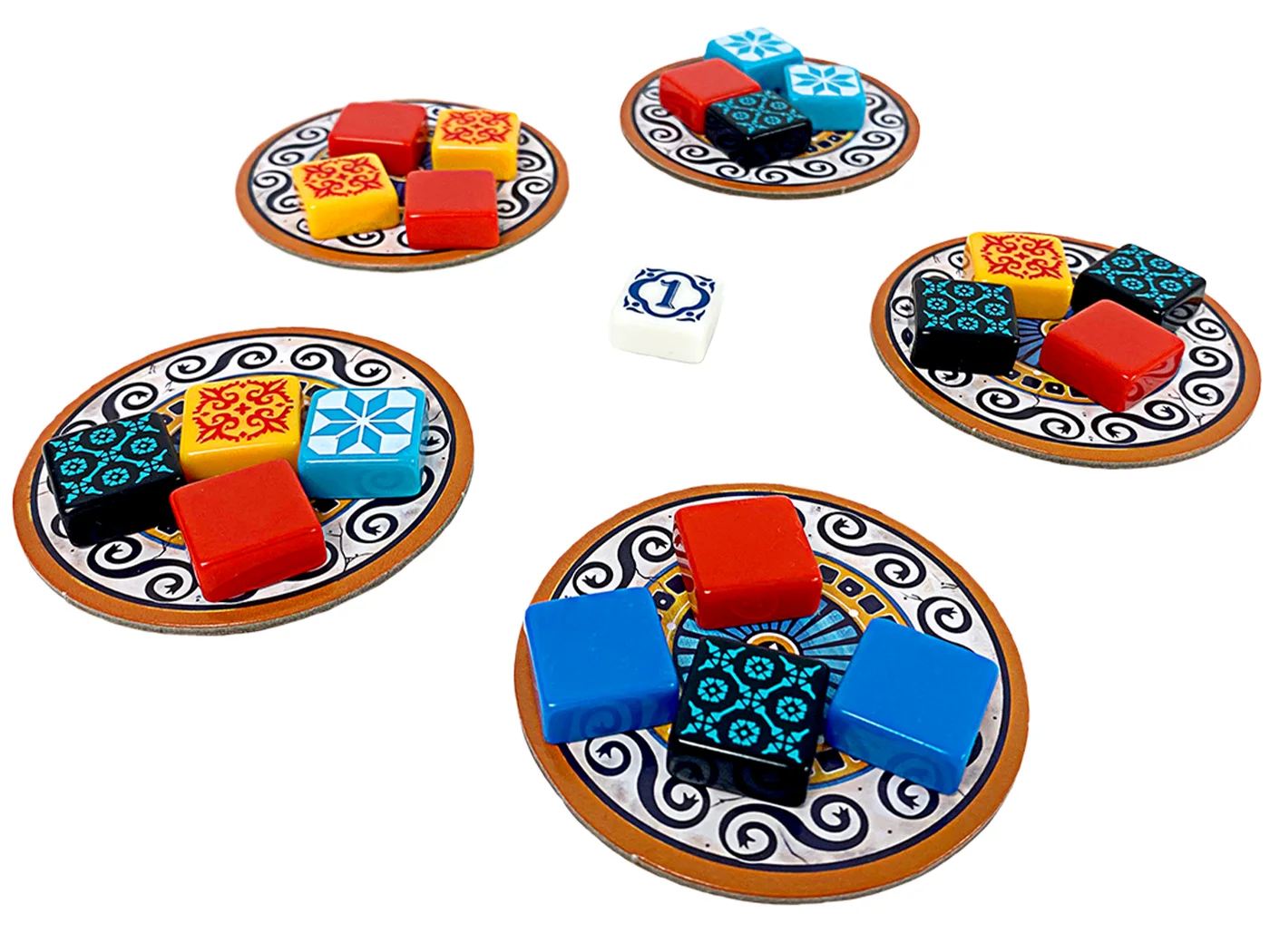
Match it to your actual table
Next Move Games specifies two to four players, ages eight and up, and roughly 30–45 minutes. Treat the time as a maker estimate, not a promise for your first teaching game. Leave space for each player’s board and the shared displays; a small travel tray is a different purchase.
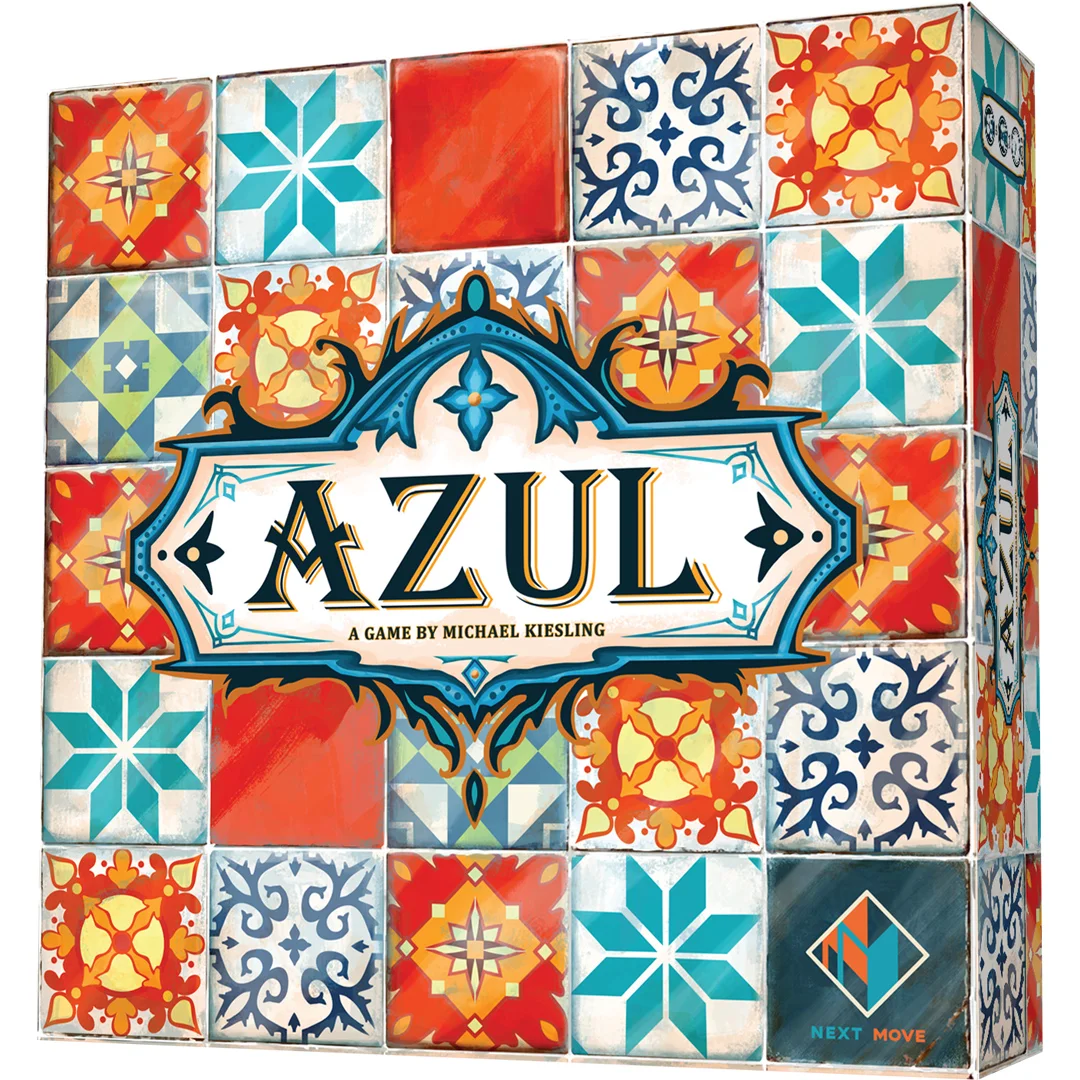
The original box contains 100 resin tiles. They are small playing pieces, not edible treats or ceramic decorations. Keep them away from young children and pets, and count pieces back into the bag when tidying.
Buy the game, not an accessory
The linked option is the full-size original Azul base game, not Azul Mini, Duel or the Crystal Mosaic expansion. Those names can look similar in a search result. Compare the selected box and edition before ordering.
Choose Azul for its satisfying physical puzzle and visible tactical choices. Choose a cooperative game instead if you want the table to win together. This is research-based guidance, not a claim that we personally tested the set.