A little science fiction for the workbench
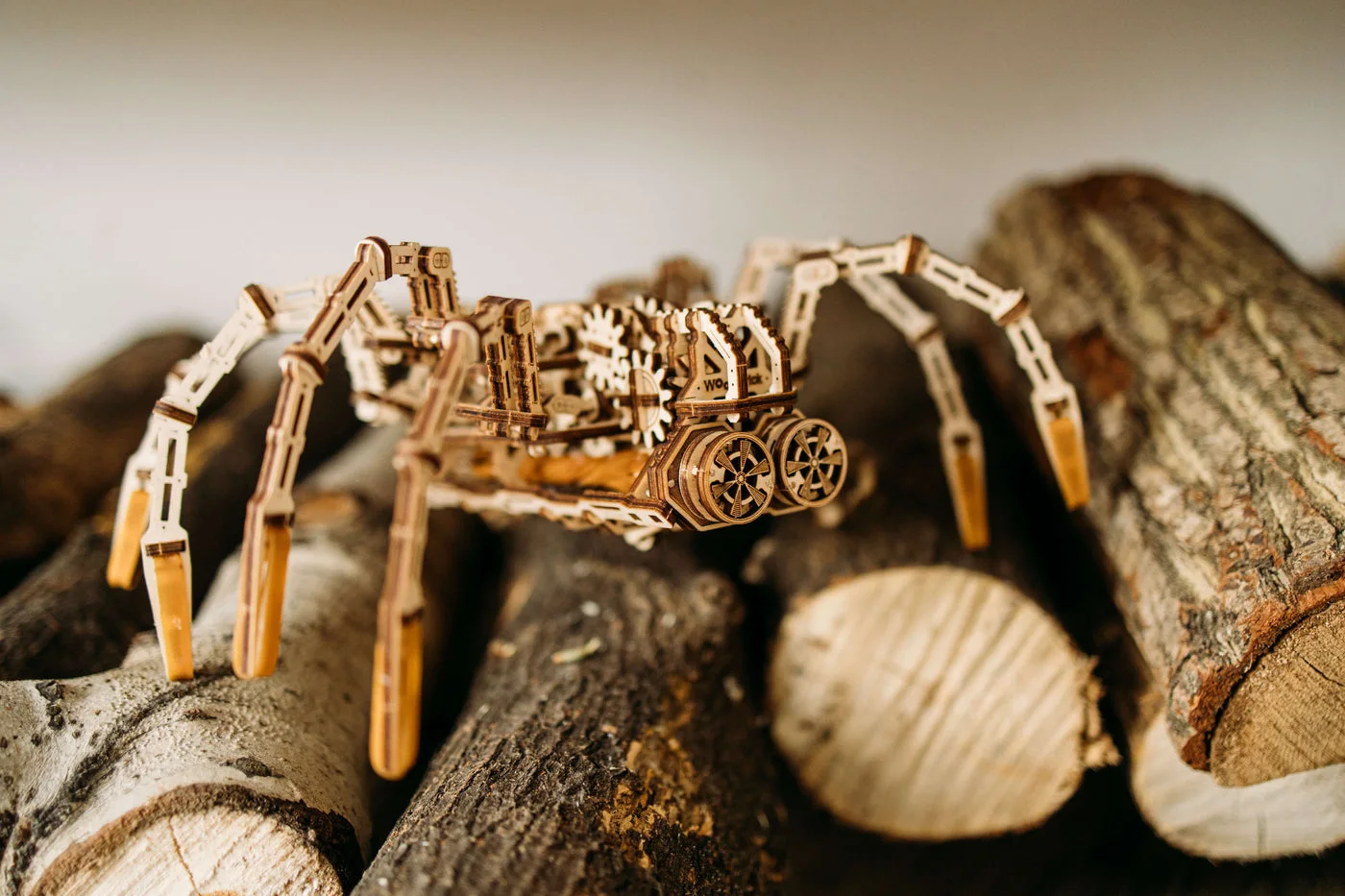
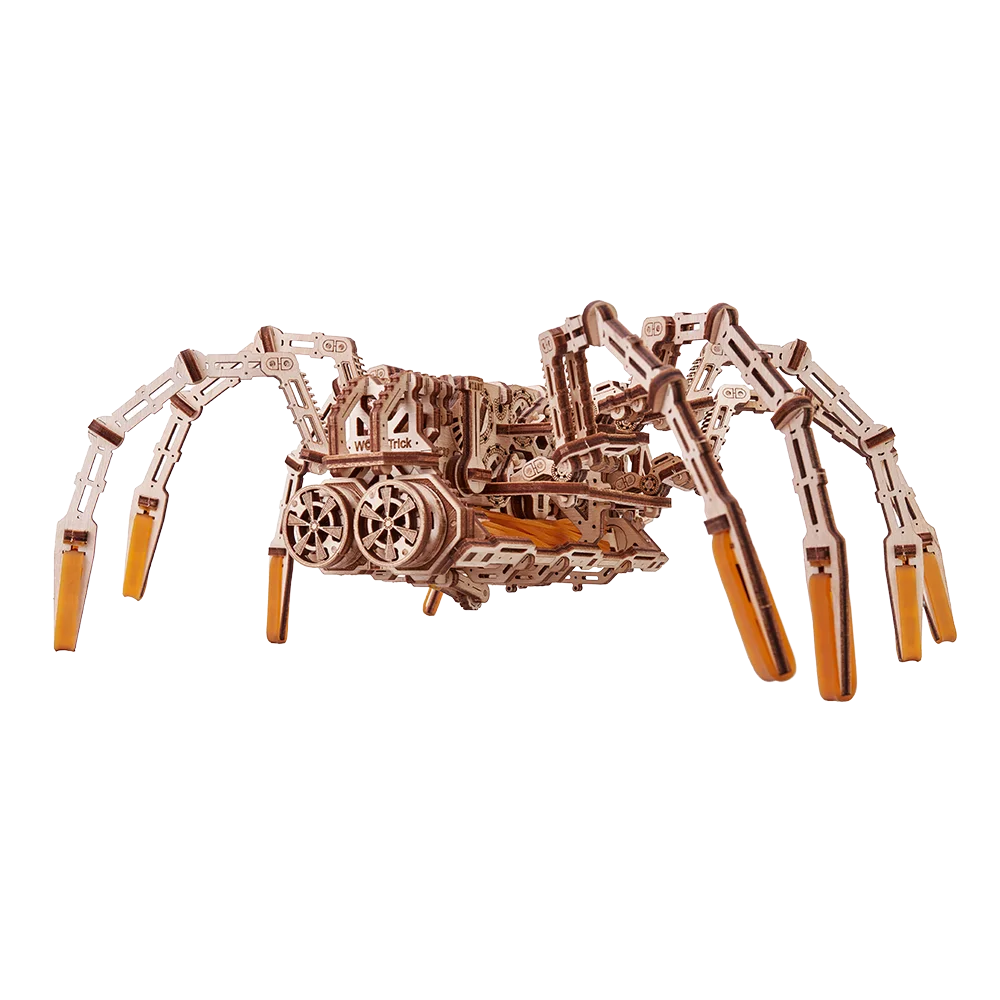
A wooden creature that moves its legs has an immediate advantage over a static ornament: the finished object invites a demonstration. Space Spider is appealing when the recipient enjoys machines with a personality, rather than realistic animal figures. Its futuristic silhouette is the point. Think of it as a mechanical character to assemble and show, not a substitute for a remote-controlled robot.
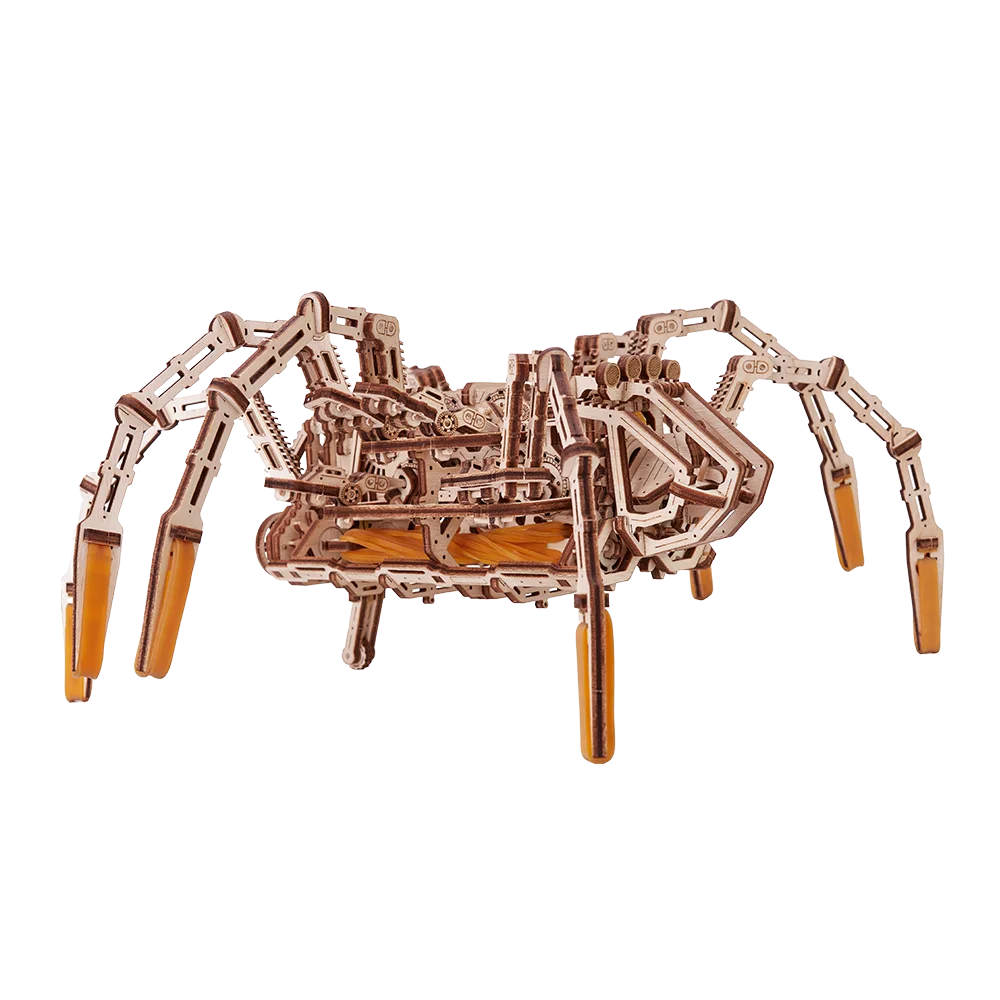
The movement is the reward
The maker describes a geared lever that operates the legs, with a rear roller helping the mechanism travel. Building that relationship between gears and legs is more interesting than simply finishing an outline. We have not independently measured the advertised travel distance. A working demonstration depends on assembly, adjustment and the surface, so do not promise that it will walk equally well on carpet or across a cluttered desk.
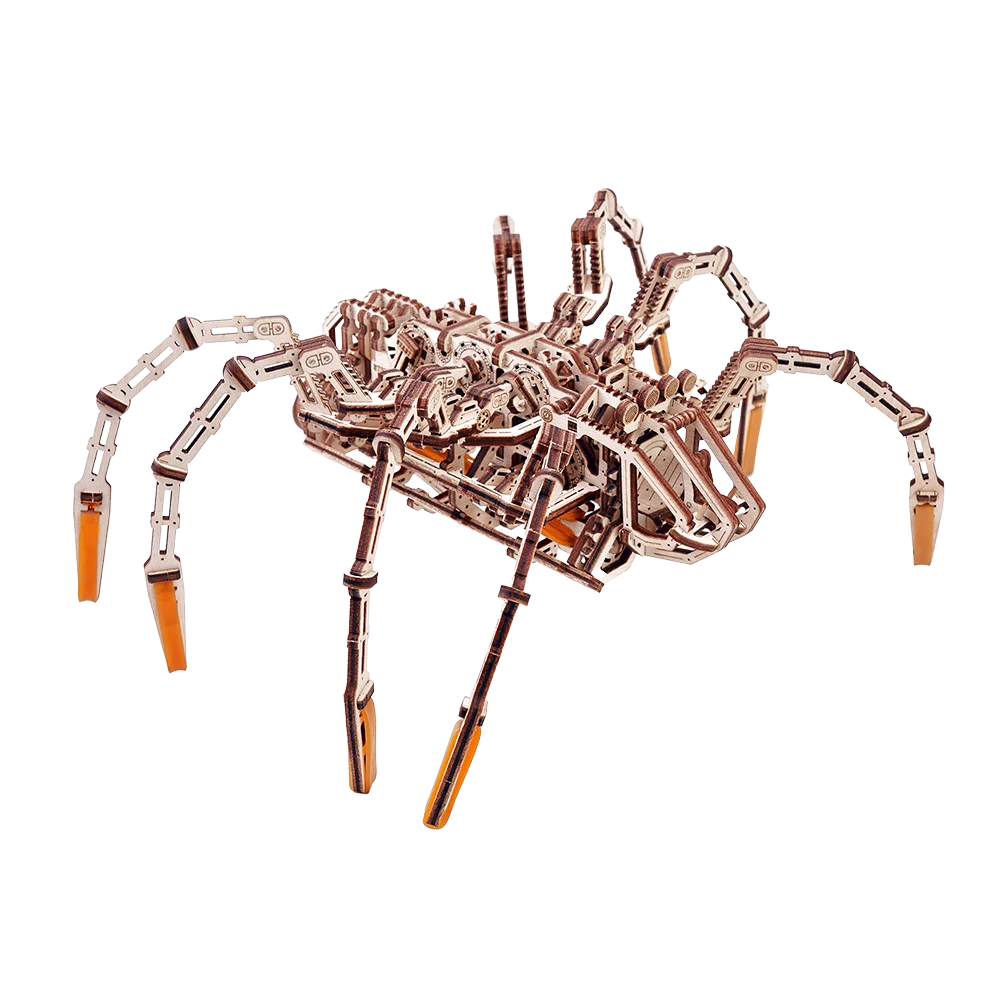
Reserve space for the legs
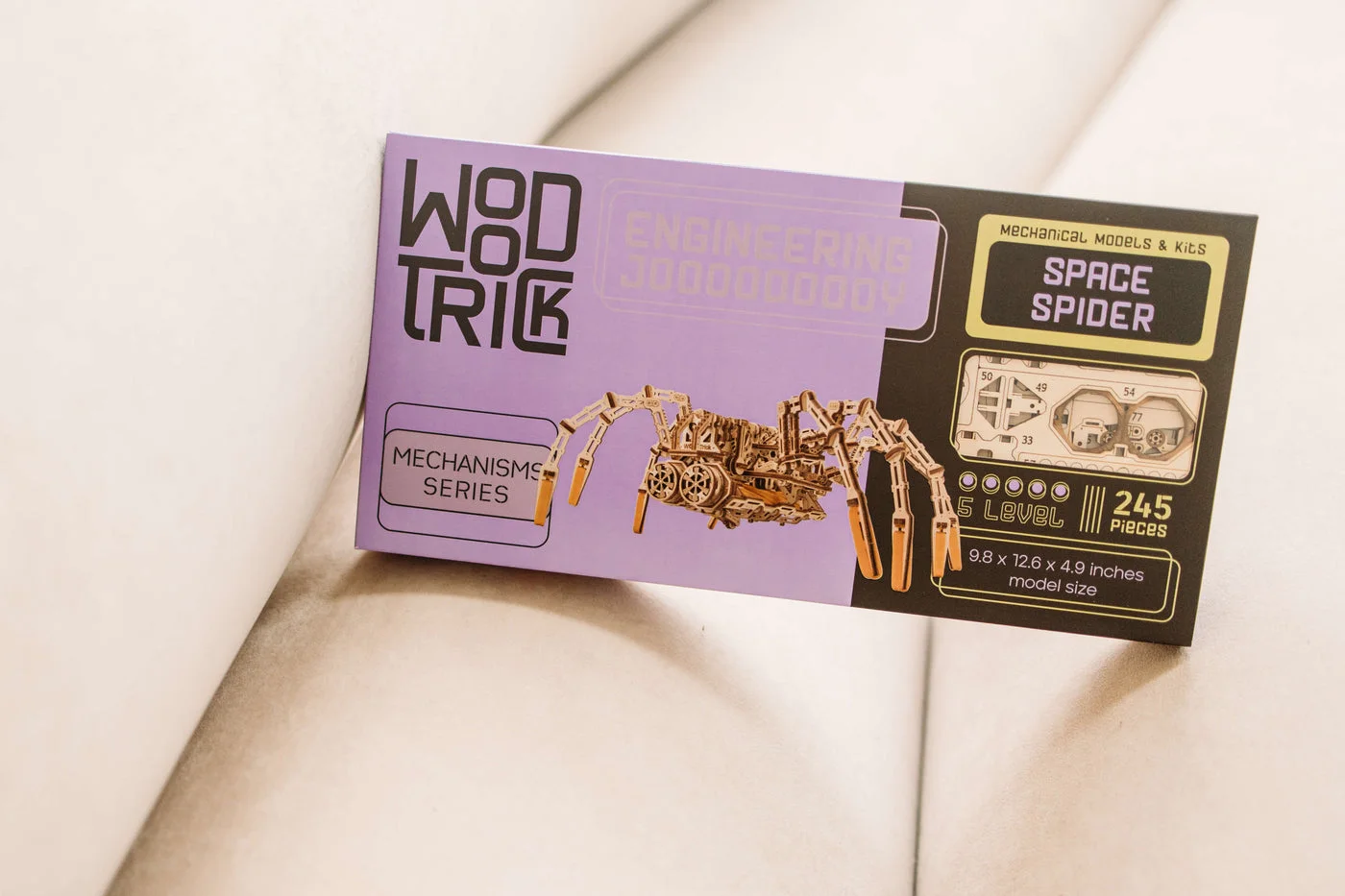
The manufacturer lists a footprint of 250 by 320 millimetres and a height of 125 millimetres. That is enough to make shelf clearance worth checking. Leave additional space around the moving limbs and choose a level demonstration area where the model cannot walk off an edge. The exposed construction also makes careful handling more sensible than rough toy-box storage.
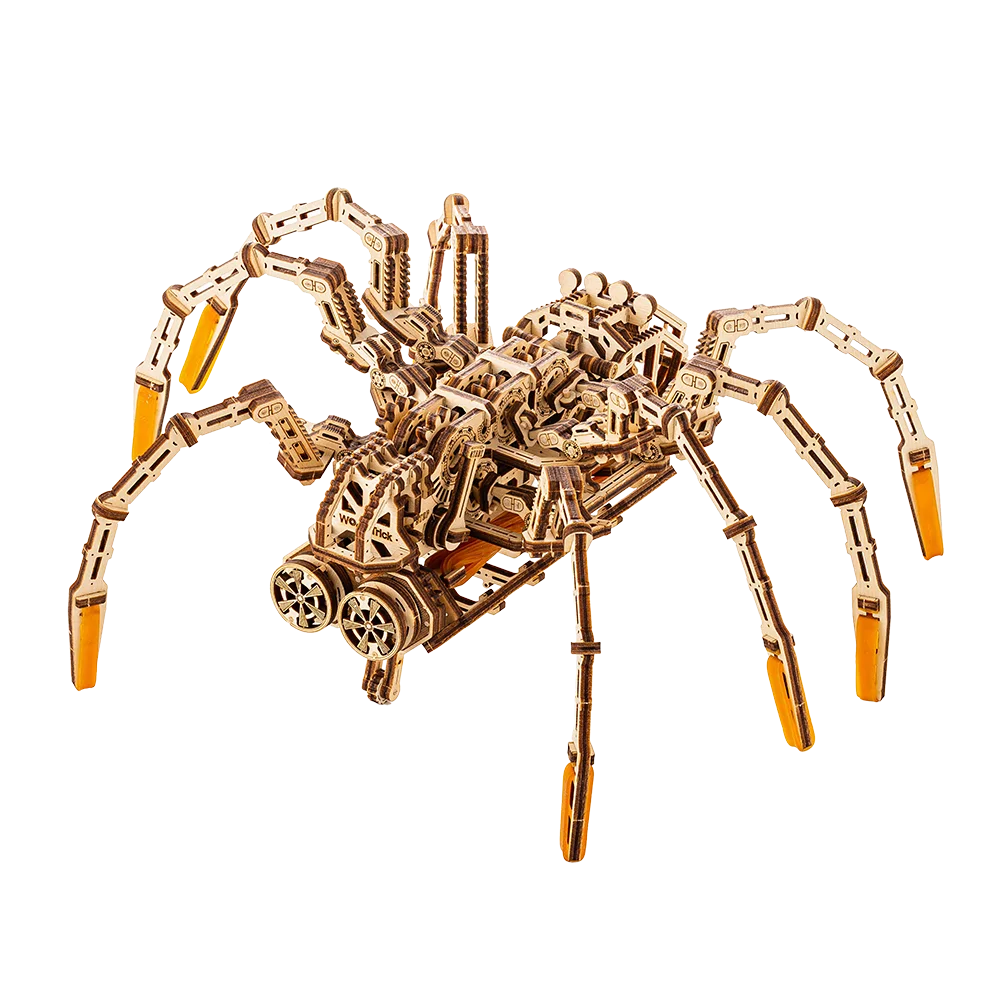
A gift with a building commitment
There are 245 parts, but part count alone does not tell you whether the build will feel easy. Linked moving legs require patient alignment. Give it to somebody who likes the assembly process, or offer to make it a shared project. A person wanting instant desk decoration may enjoy the silhouette but not the hours spent getting the movement right.
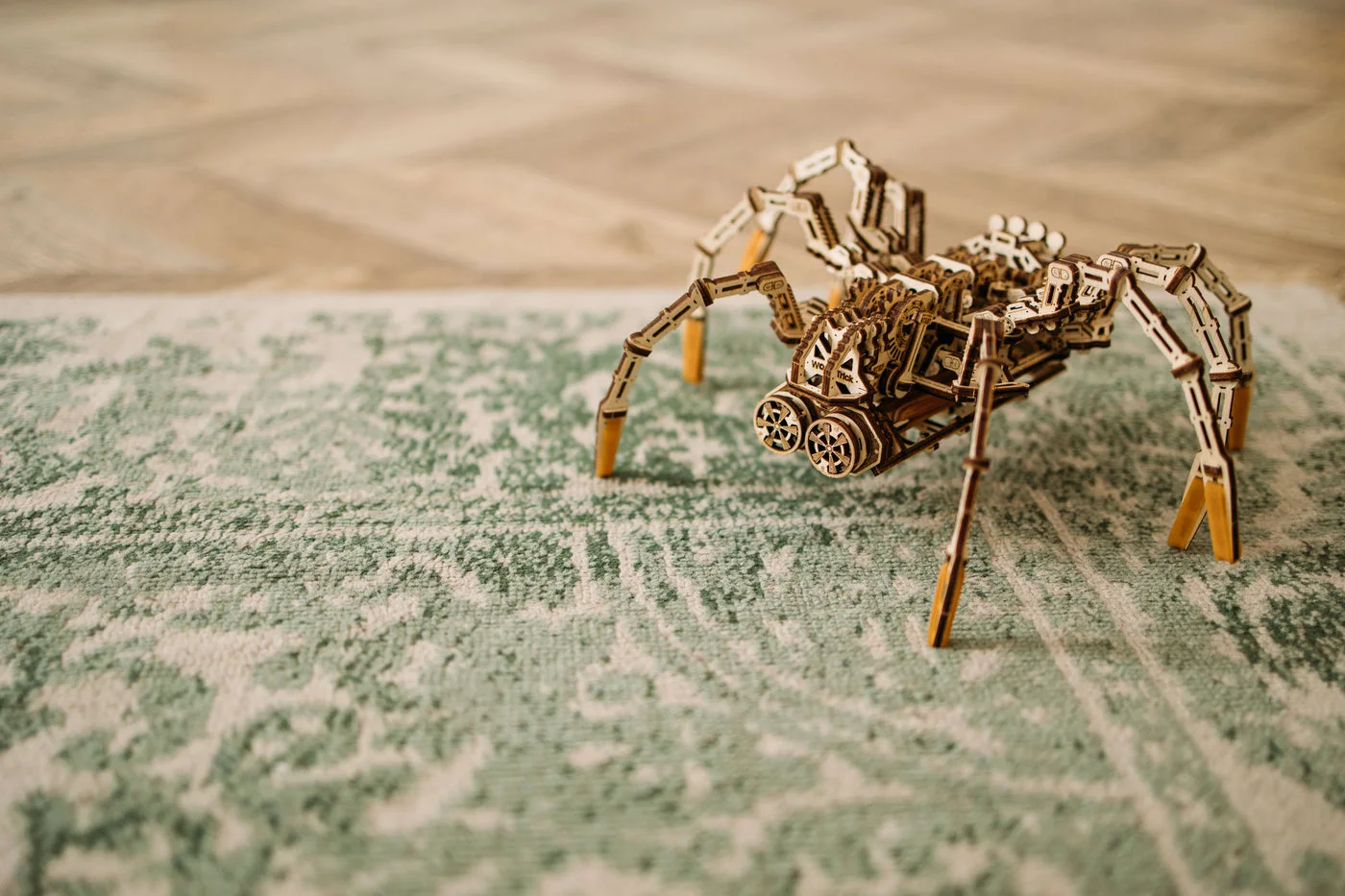
Choose curiosity over a performance promise
Buy model WDTK034 for its creature-like motion and unusual display presence. Skip it if the essential requirement is electronic control, rugged children’s play or verified performance on different floors. This is a research-based assessment of the maker’s design, not a hands-on walking test.