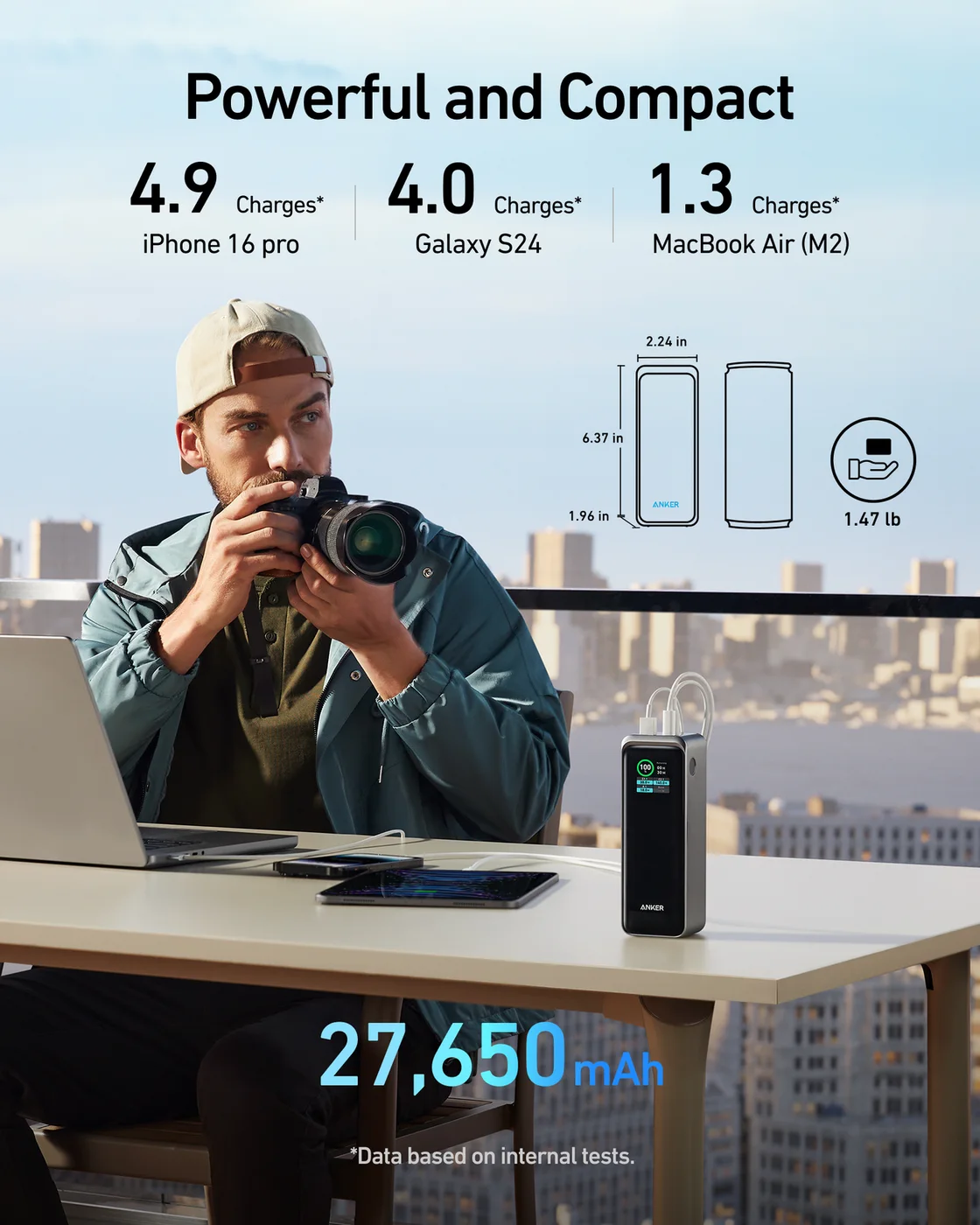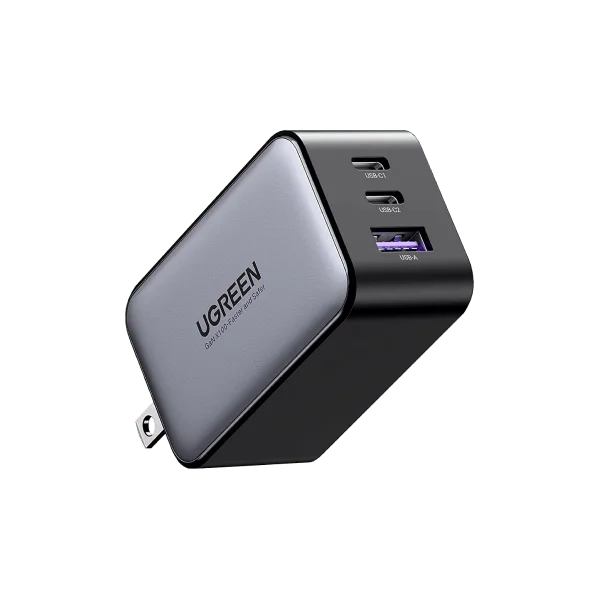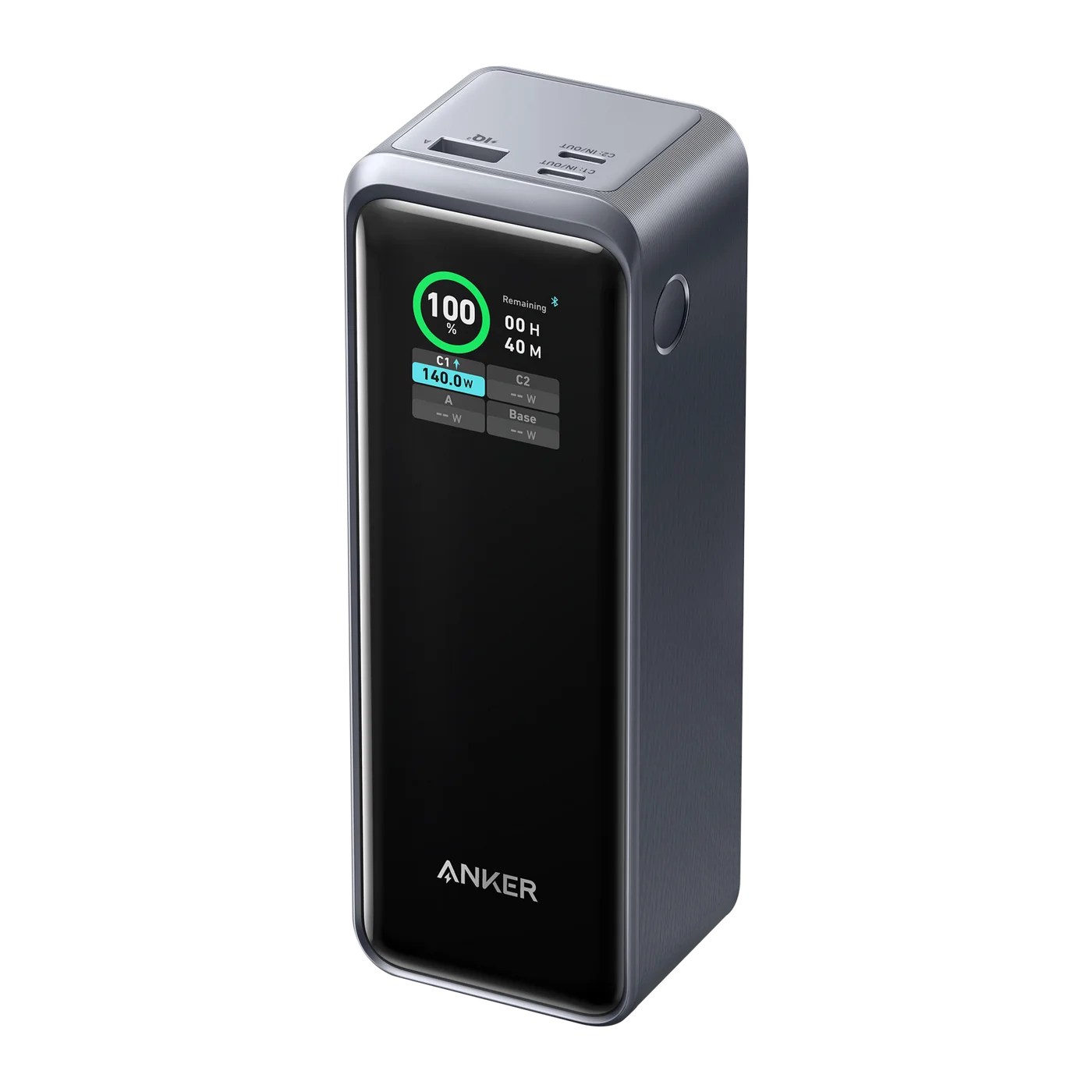
The laptop is nearly empty, the phone needs power, and the nearest outlet belongs to someone else’s table. That is the useful scenario for Anker’s A1340 Prime power bank. Its 27,650mAh capacity and high-output ports make it a portable charging hub—but the maker’s 665g weight asks a serious question: will you use that capability often enough to carry it?
Read the wattage as a system
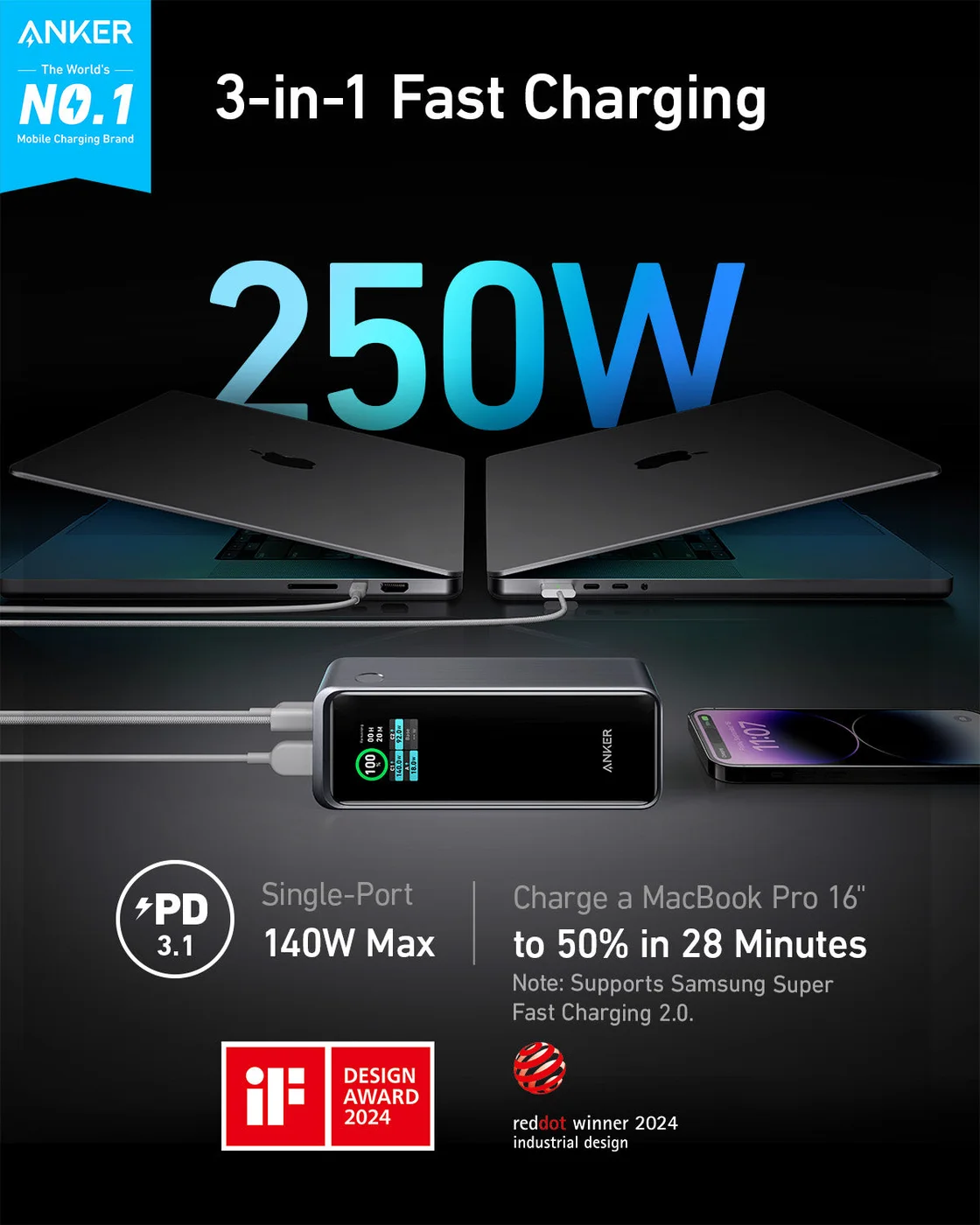
The headline 250W is a maximum combined output, not 250W from one USB-C socket. The bank has two USB-C ports and one USB-A port; a USB-C port can reach up to 140W with compatible equipment. The laptop, charging protocol and cable determine the actual result. Splitting power among devices is different from charging a single one.
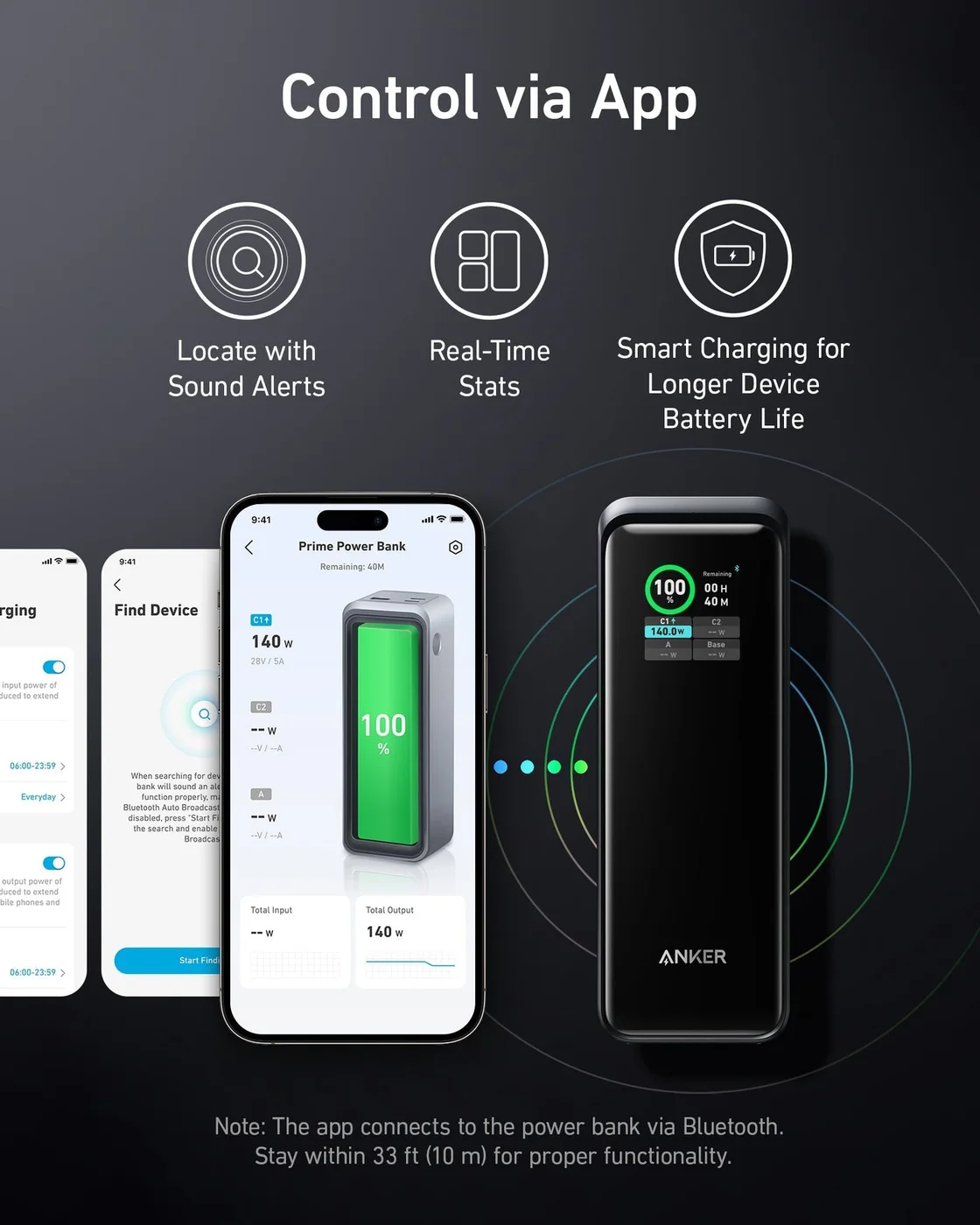
The display makes output and remaining charge more visible than a row of indicator lights. Bluetooth app features add charging information and controls; they are not necessary evidence that a laptop will accept the maximum advertised rate. Think of the screen as a useful status check, not a prediction of remaining work hours.
Include recharging in the plan
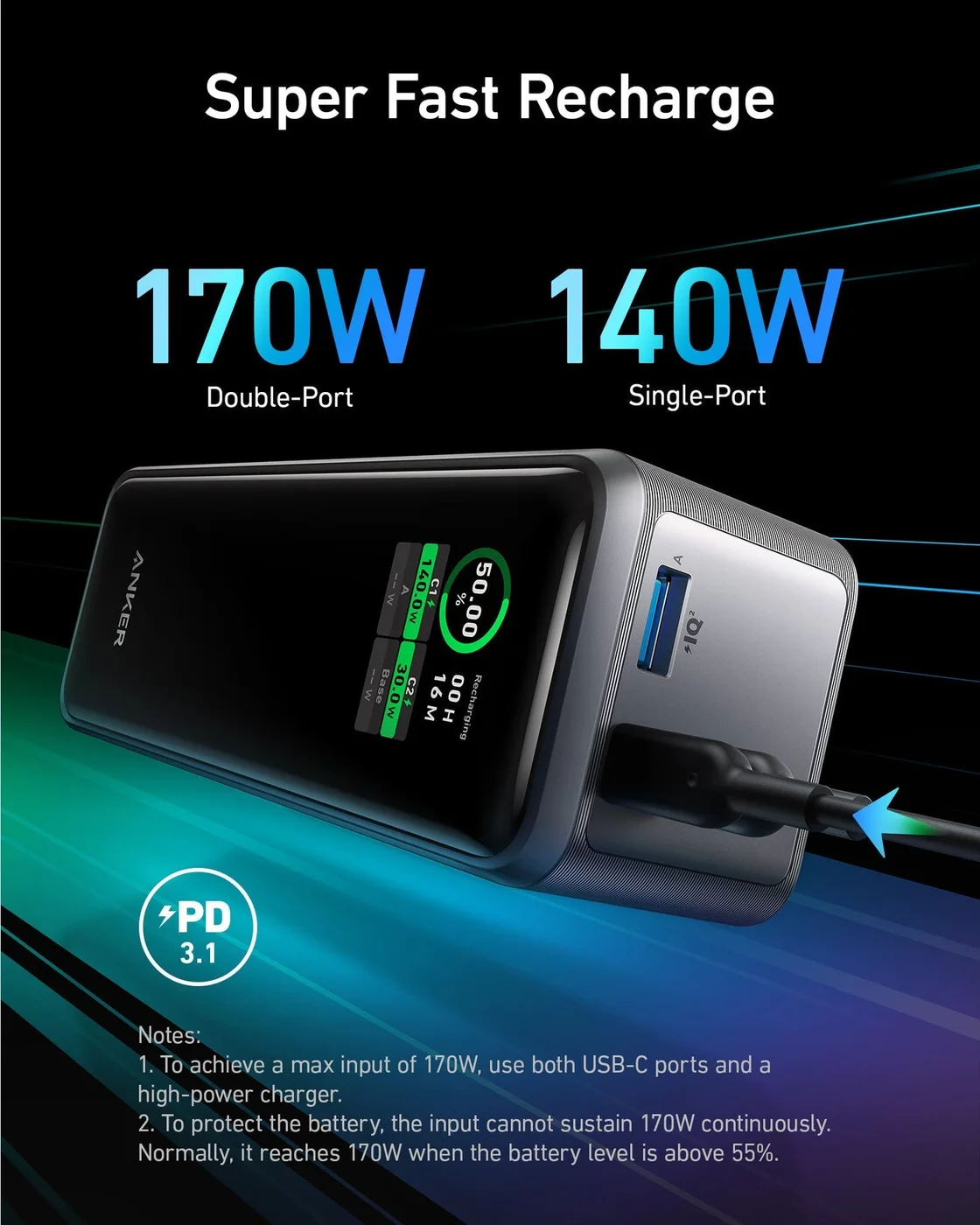
A large battery is only useful if you can refill it before the next outing. A small phone charger may work slowly compared with a compatible high-power supply. The charging base shown in some maker imagery is a separate accessory unless the exact listing explicitly includes it. Airline acceptance also needs its own check; a product’s travel marketing is not universal boarding permission.
A bag item, not a pocket item
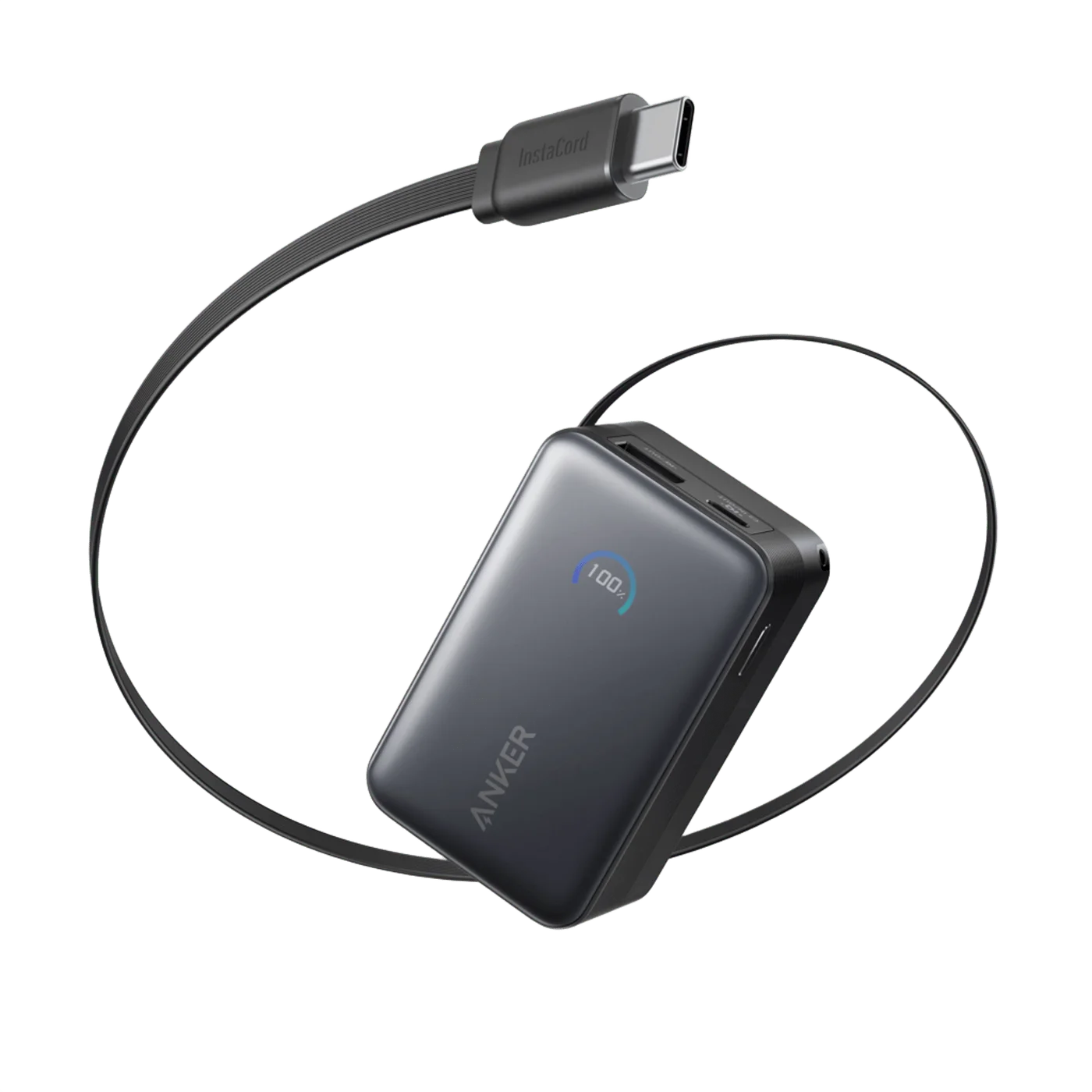
Choose this original black A1340 when laptop charging away from sockets is a recurring problem. A smaller bank is more proportionate for occasional phone top-ups. Do not select it solely for the biggest number: the extra weight, compatible cables and refill routine should buy a genuinely useful working day.