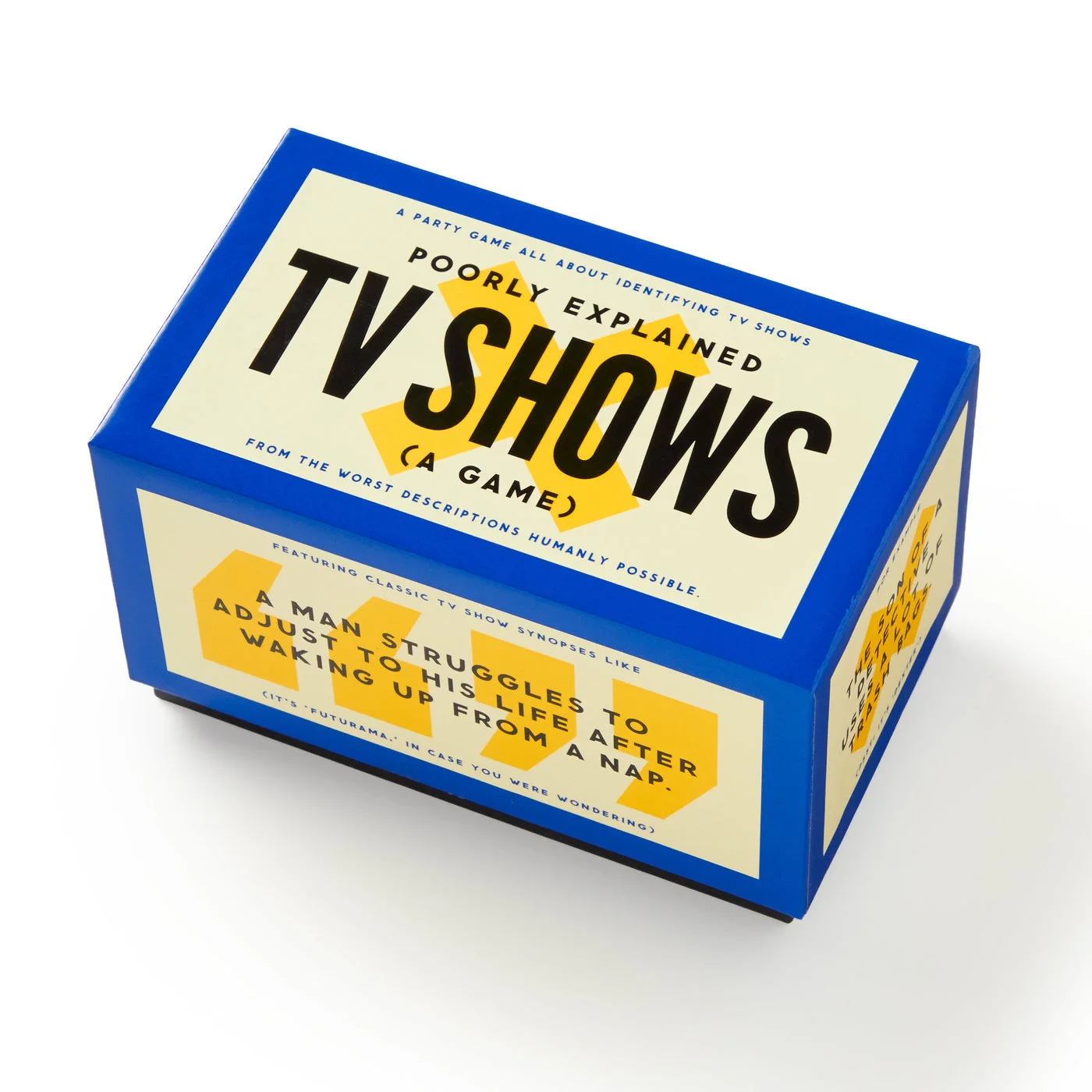
A TV conversation with the clue deliberately broken
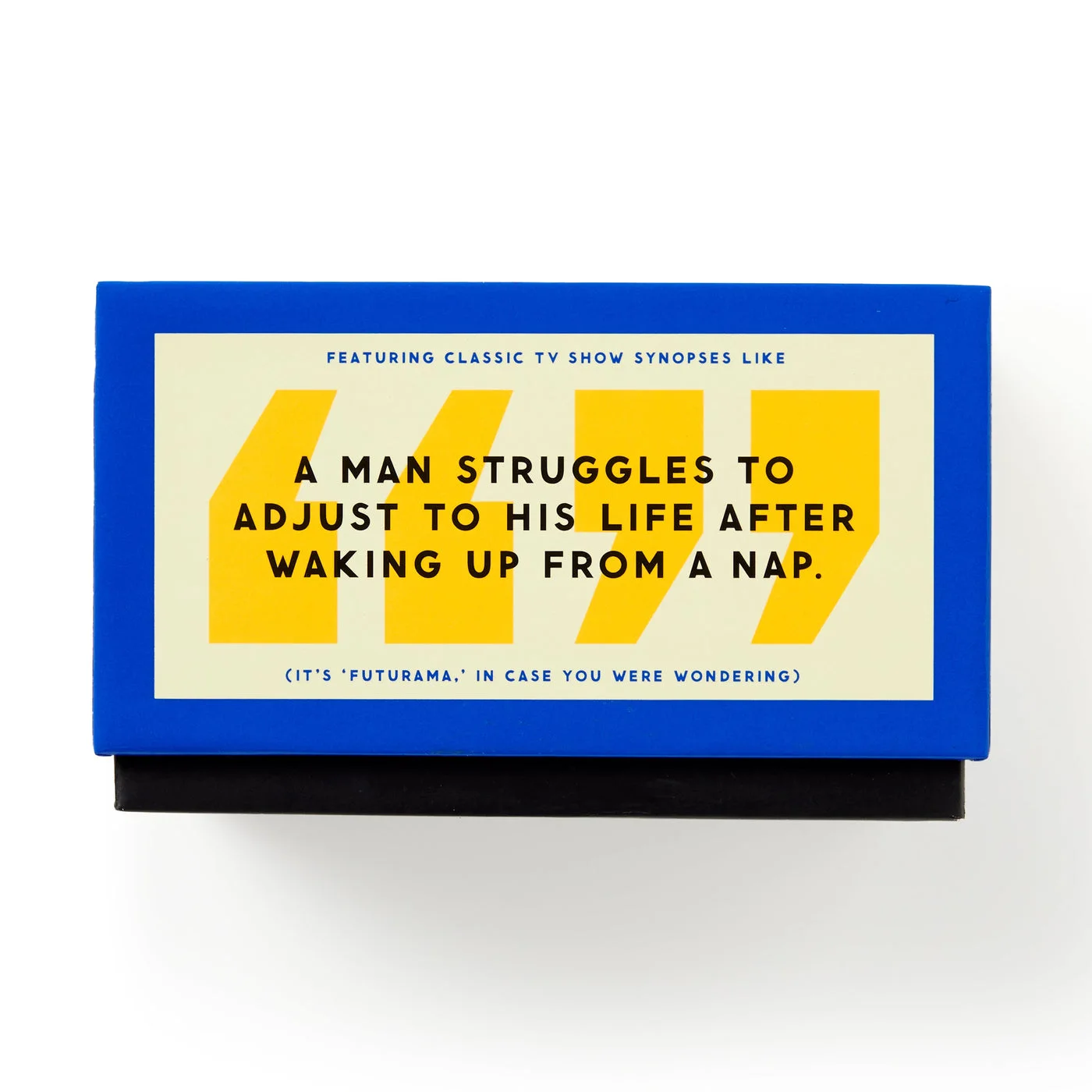
Poorly Explained TV Shows turns the familiar question of what a programme is about into a guessing game. The descriptions are intentionally unhelpful, so recognising the show is only part of the attraction. The other part is hearing how badly something familiar can be summarised. That gives a television-loving group a different opening from another round of ordinary fact questions.
Shared references matter more than a big guest list
Before choosing it, think about what the group actually watches. If everyone follows different programmes, the joke can become an exercise in one person explaining references. It is a better fit when people have some overlapping television knowledge and enjoy teasing out an absurd clue. No deck can guarantee that a mixed group will recognise every answer or find the same jokes funny.
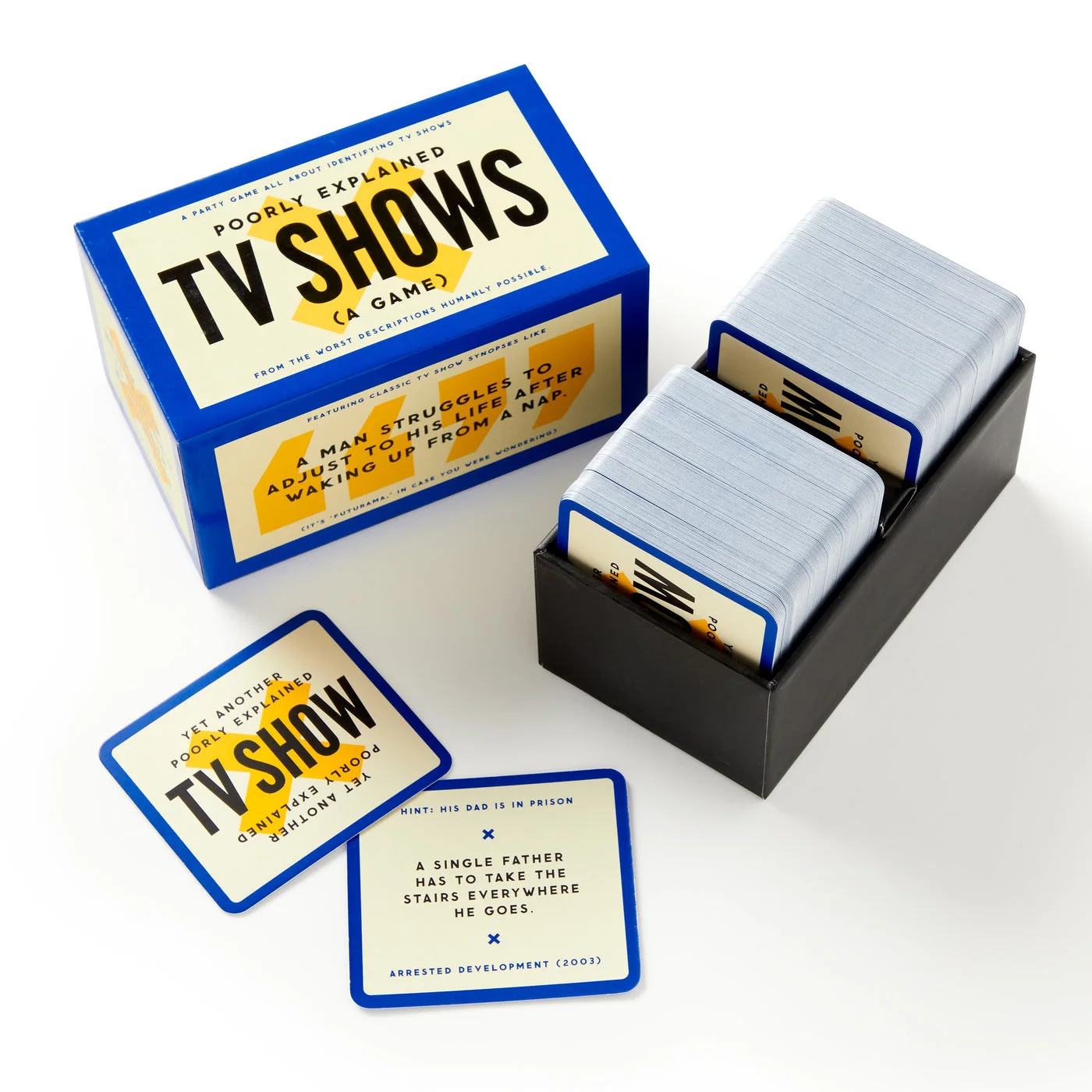
Inspect sample cards without spoiling the whole deck
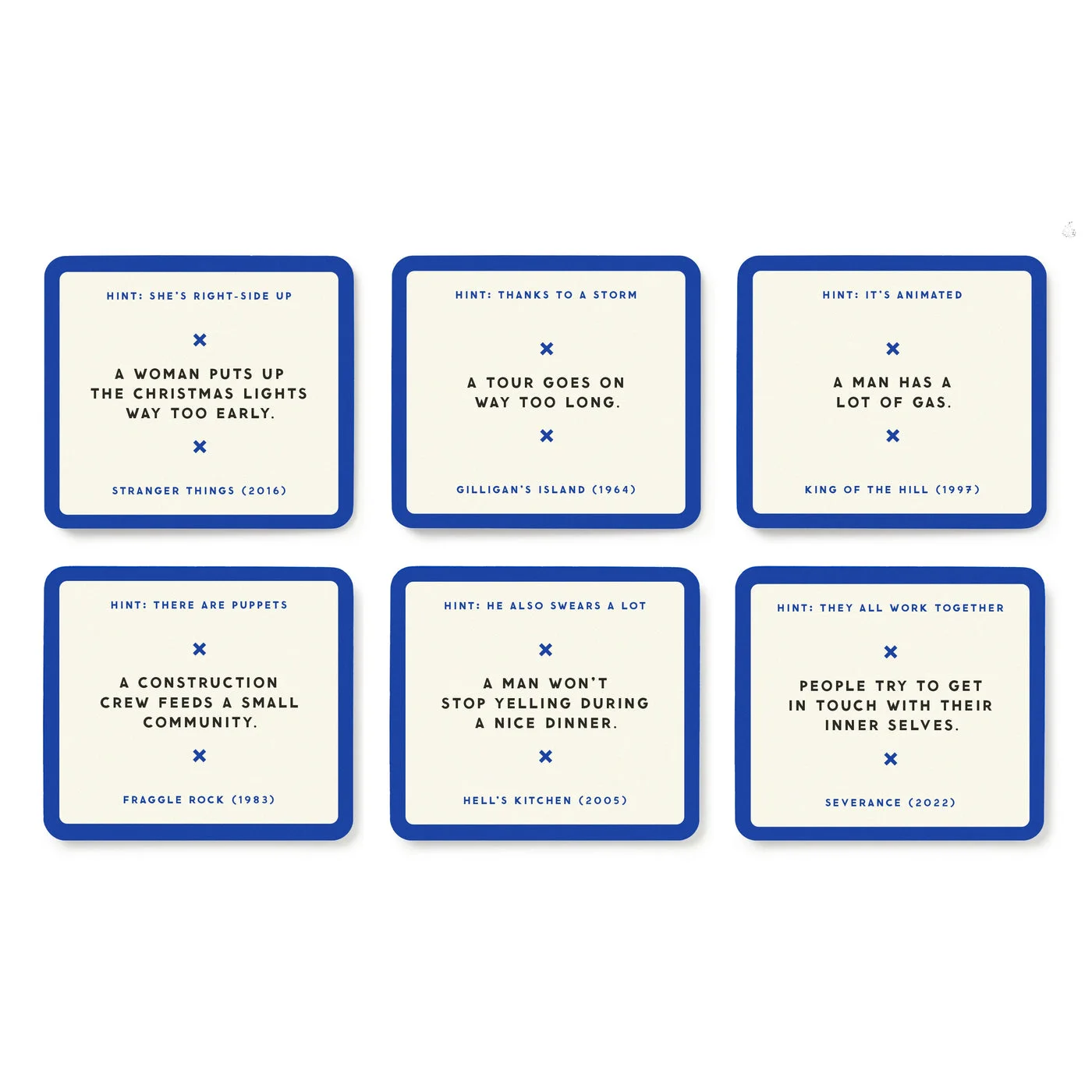
The maker gallery shows examples of the description-and-answer format. Read a few to judge the tone and reference range, rather than memorising everything before a game night. The included cards are in English. Familiarity with television titles, not just general language ability, affects whether the activity feels welcoming. This is not a video quiz that requires streaming an episode.
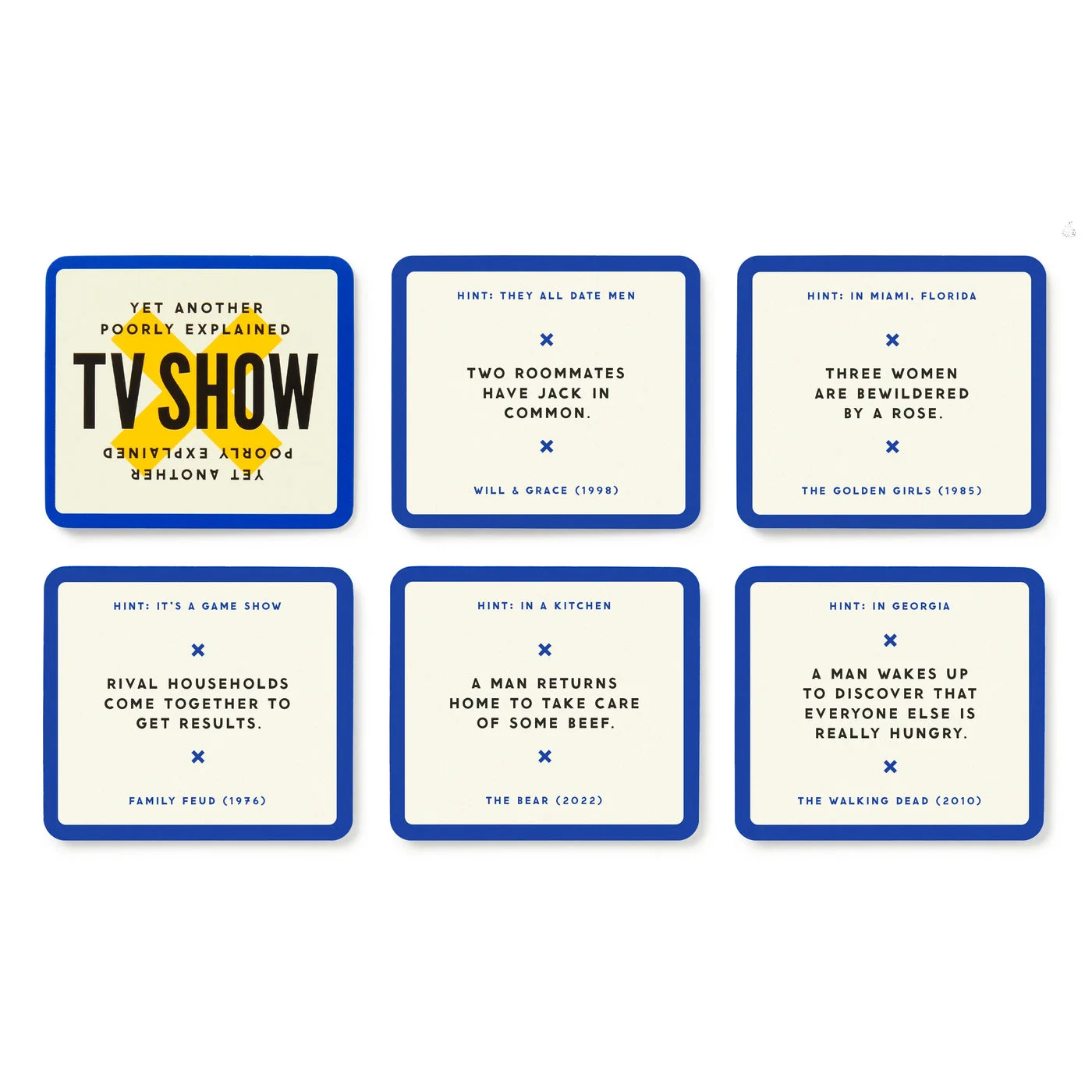
A compact deck, not endless new questions
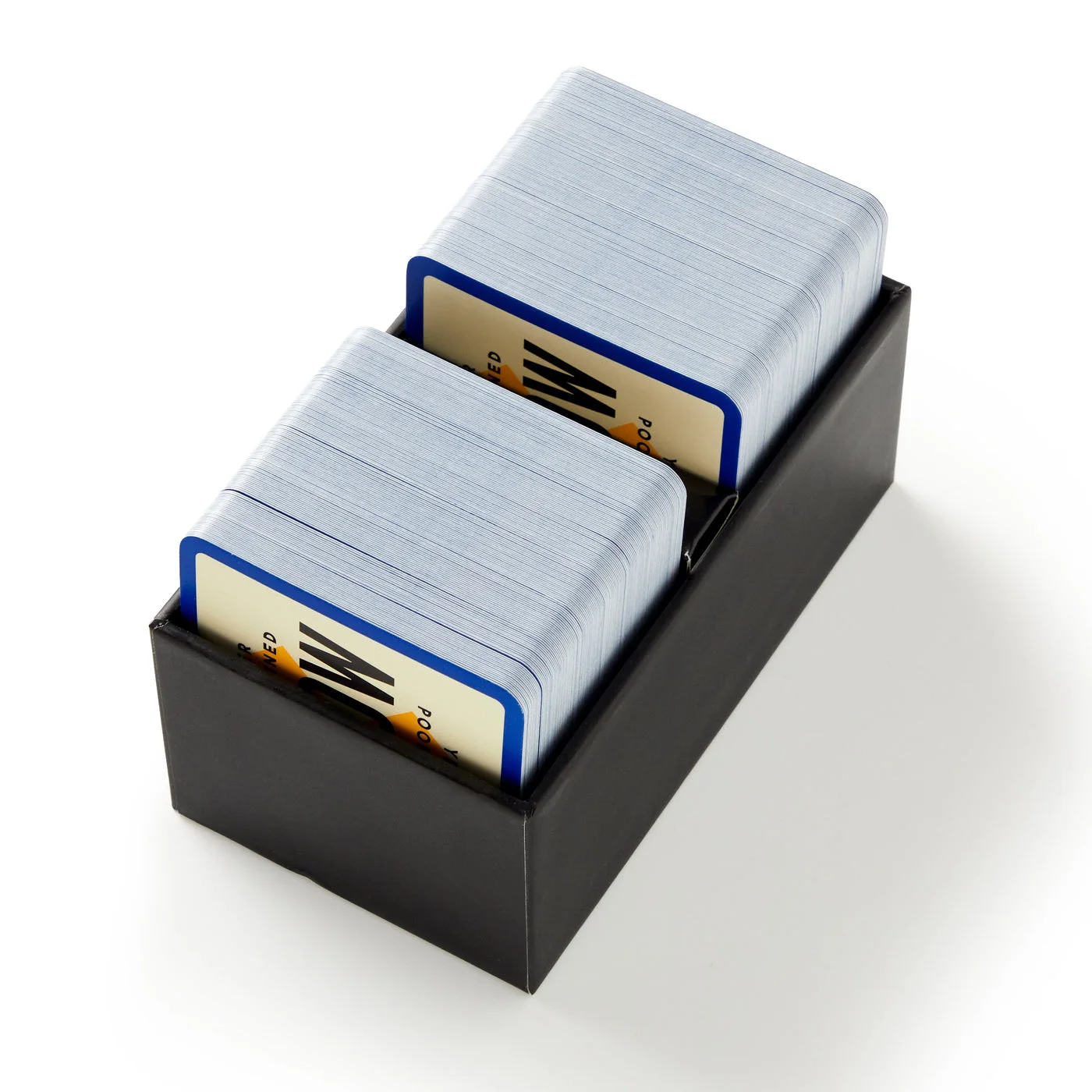
The maker specifies three hundred cards for two or more players. Each card is approximately two and a quarter by two point eight inches. A physical deck is easy to bring out without a screen, but once the group learns answers, repeats lose their surprise. We have not played it or tested how quickly that happens. Rotate it with other activities rather than assuming indefinite fresh material.
Choose for the group you have
ISBN 9780735387003 distinguishes this television edition from the movie and song games. Choose it for friends who enjoy TV references and imperfect clues. Skip it for a group seeking strategy, a serious knowledge test or unfamiliar-language entertainment. The buying decision is about social fit, not a promised laugh rate or an invented game-night experience.