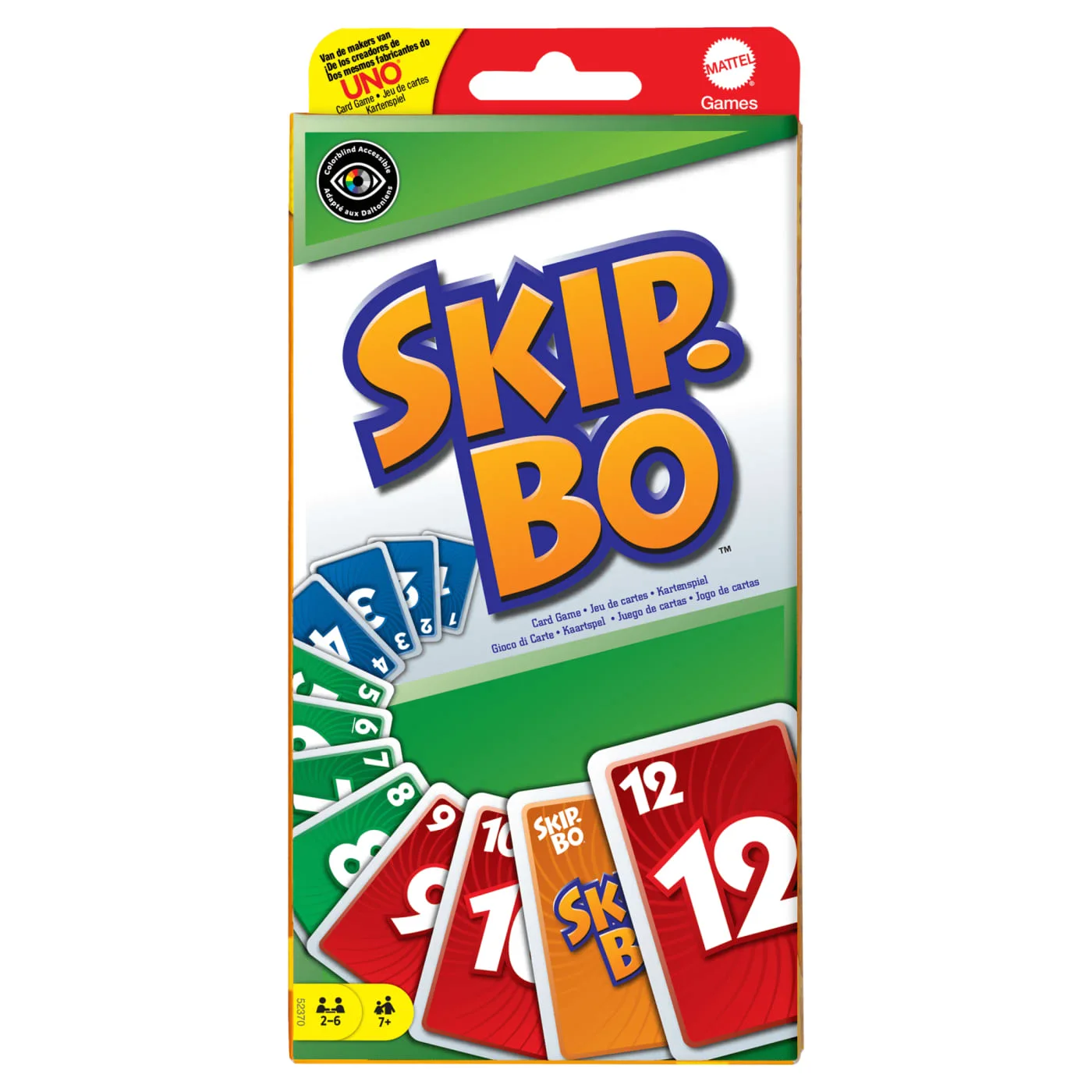
Not every game night needs shouting, acting or a reflex test. Skip-Bo gives a table something gentler to concentrate on: clearing your own stockpile while the numbered sequences in the middle gradually build. Its familiar-looking cards hide a different decision from simply matching a colour.
Your stockpile is the job you want to finish
The first player to empty that personal pile wins. Shared building piles run in numerical order, so an opening created by one player can help another. Wild Skip-Bo cards bridge a gap, but spending one now can remove a useful option later.
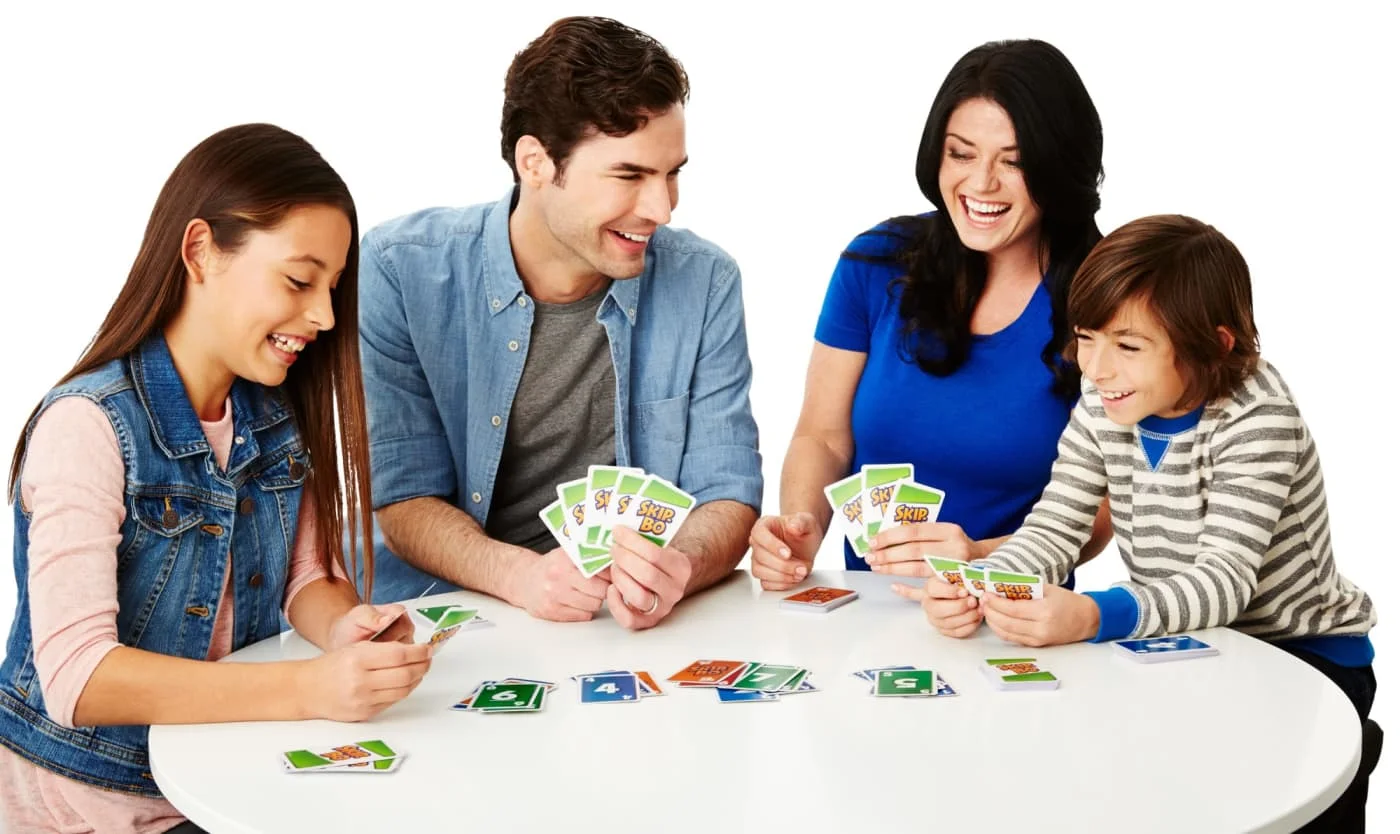
Personal discard piles give you places to organise cards you cannot immediately use. The interesting part is deciding what to expose and what to keep available. It is a turn-taking puzzle rather than a simultaneous grab, making it worth considering when speed-based card games leave someone behind.
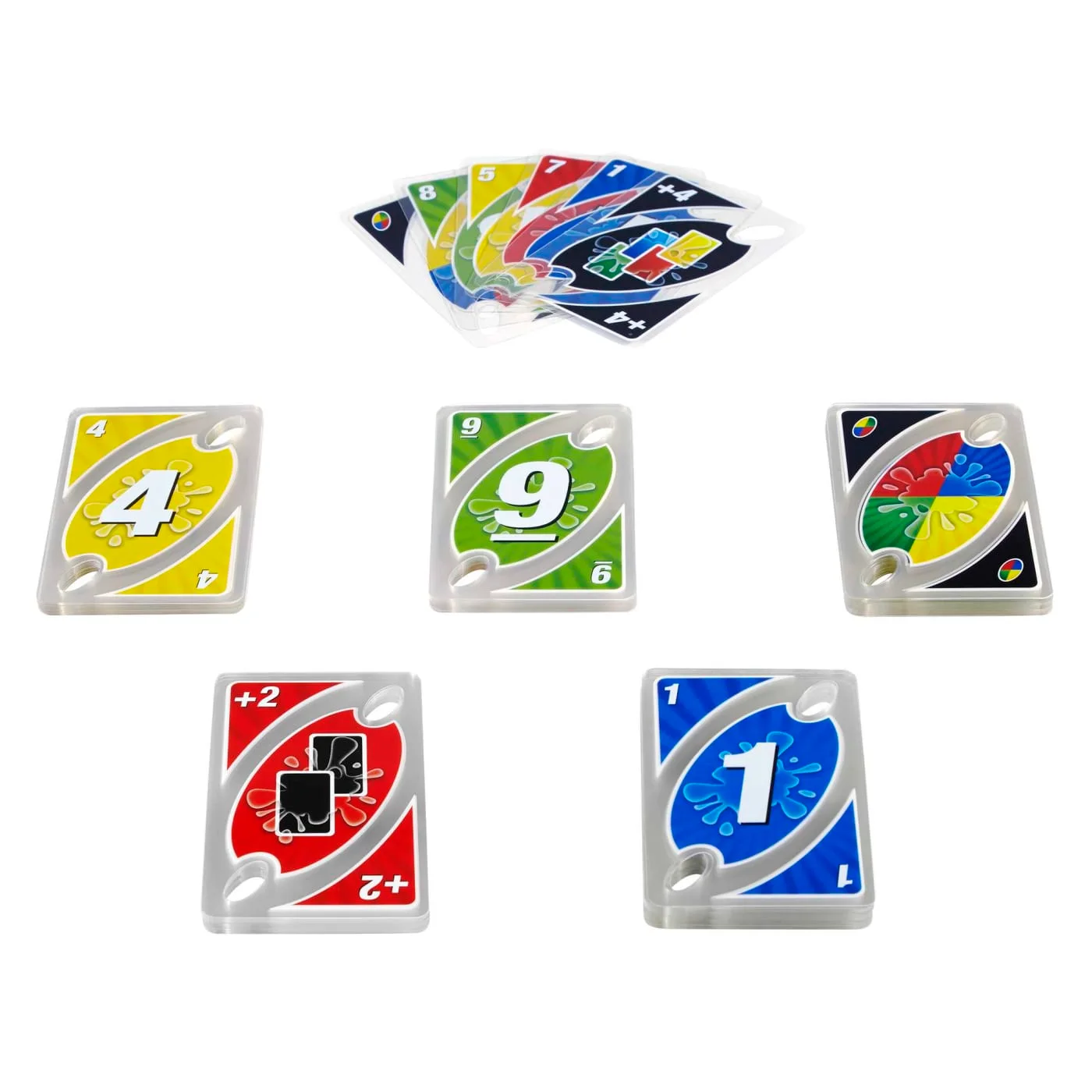
Agree on the length before dealing
The standard maker guidance is two to six players, age seven and up. That does not mean every child will find managing several piles straightforward from the first hand. Explain the layout with an open practice turn before introducing competitive blocking.
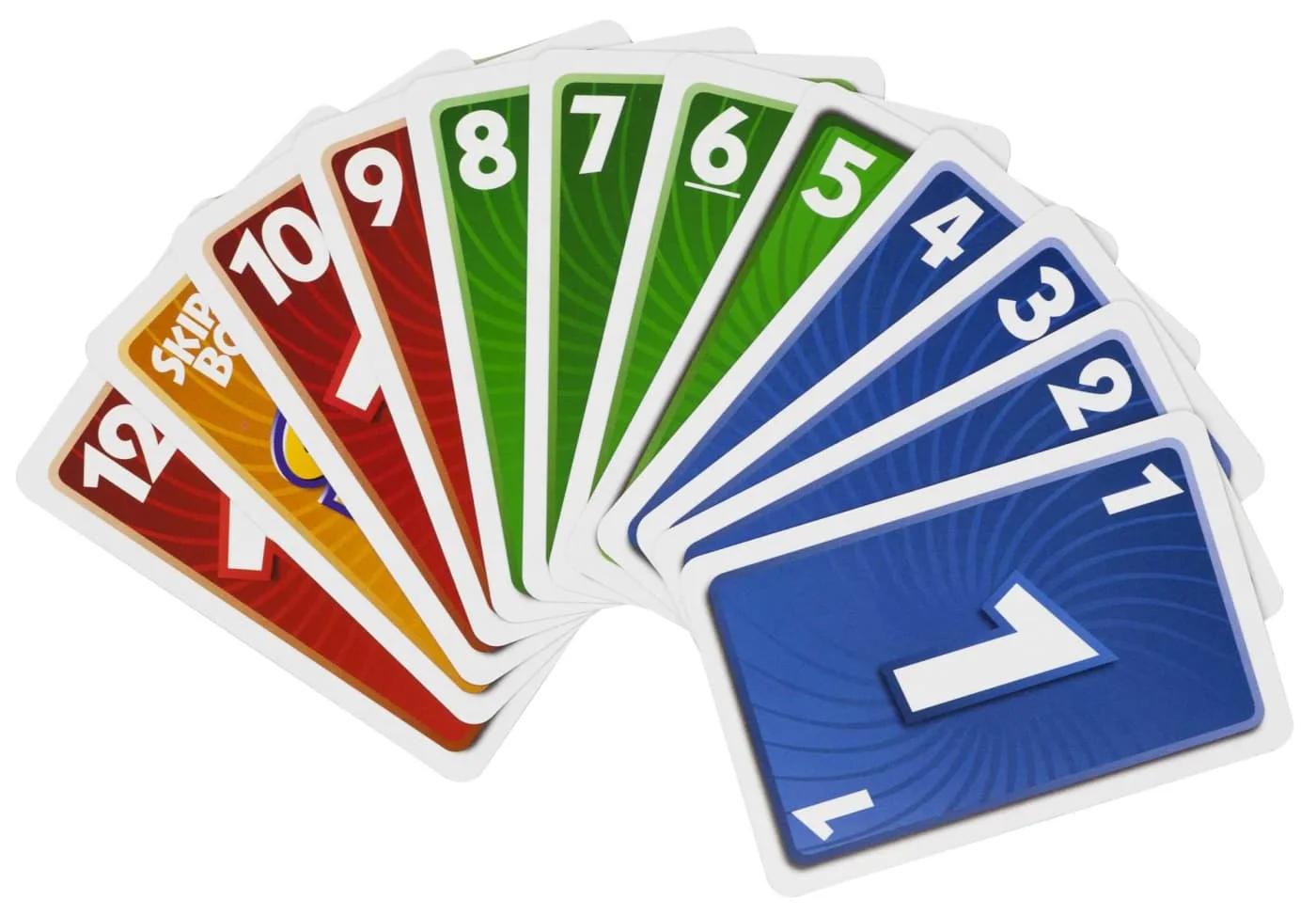
You also need more table space than a tiny travel game’s box suggests. Stockpiles, hands, discard piles and shared sequences all need clear boundaries. Follow the included instructions for the starting stockpile and any shorter-game option instead of improvising midway through a long session.
Choose it for steady competition
The selected standard deck contains 162 cards; packaging and artwork can vary across releases. Choose Skip-Bo for a relaxed visit where people enjoy watching a sequence take shape. If you want an instant five-minute icebreaker or a game played standing around a party, a faster, less table-dependent deck is a better fit.