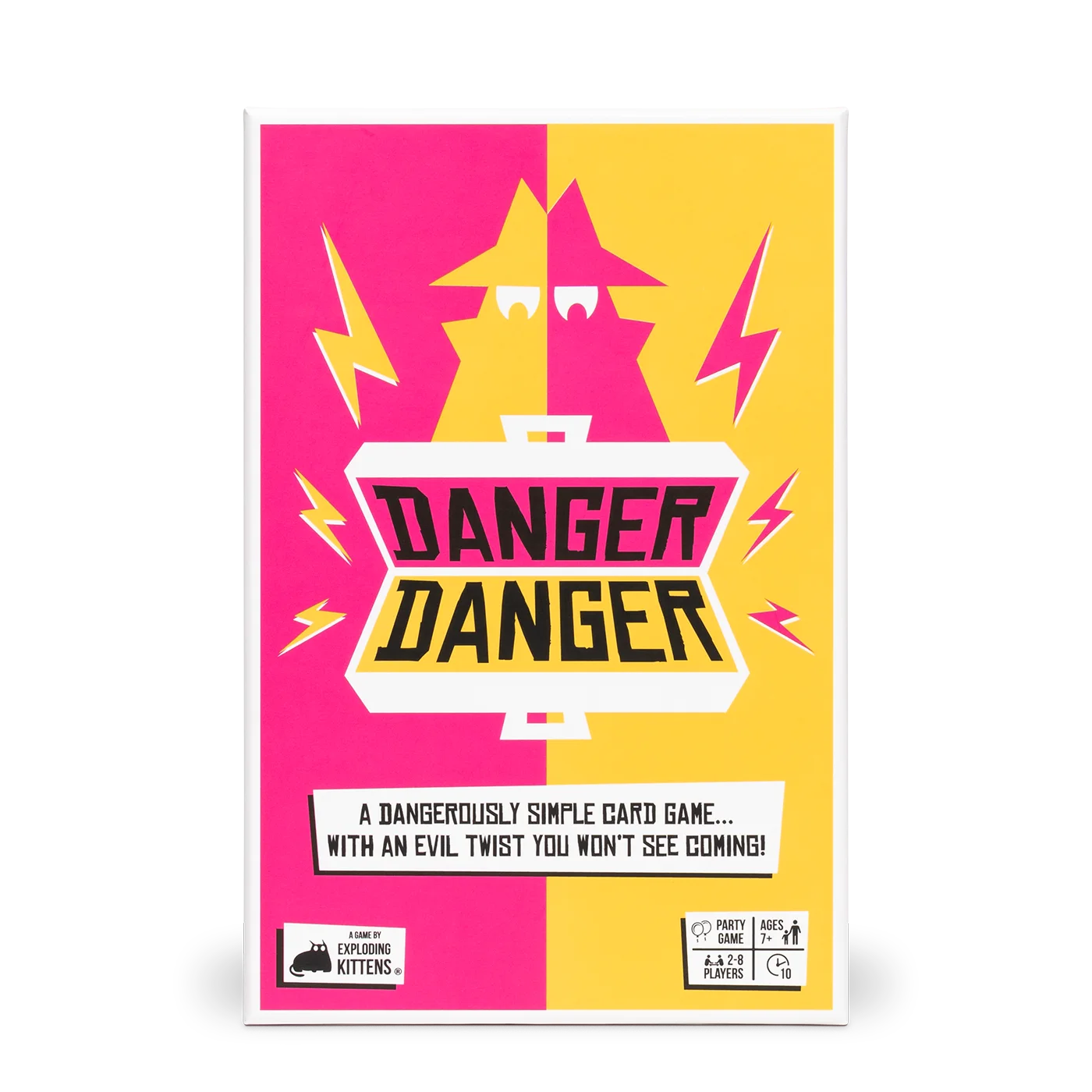
The interesting part is knowing when to stop
A timer normally tells a group how long it has left. Danger Danger takes that reassurance away. Teams play cards against a sixty-second timer kept out of view, then decide when to stop. That creates a clear social hook: one person wants another move while someone else thinks time is almost up. Whether that feels exciting or stressful depends on your group.
Team play changes the table
The maker describes two opposing teams aiming to have the most Cases showing, with anyone still playing when time expires losing. This is not a cooperative game where the whole room shares a win. It suits people comfortable with quick decisions and playful disagreement. Consider players who need more time to read, reach or process instructions before making speed the main event.
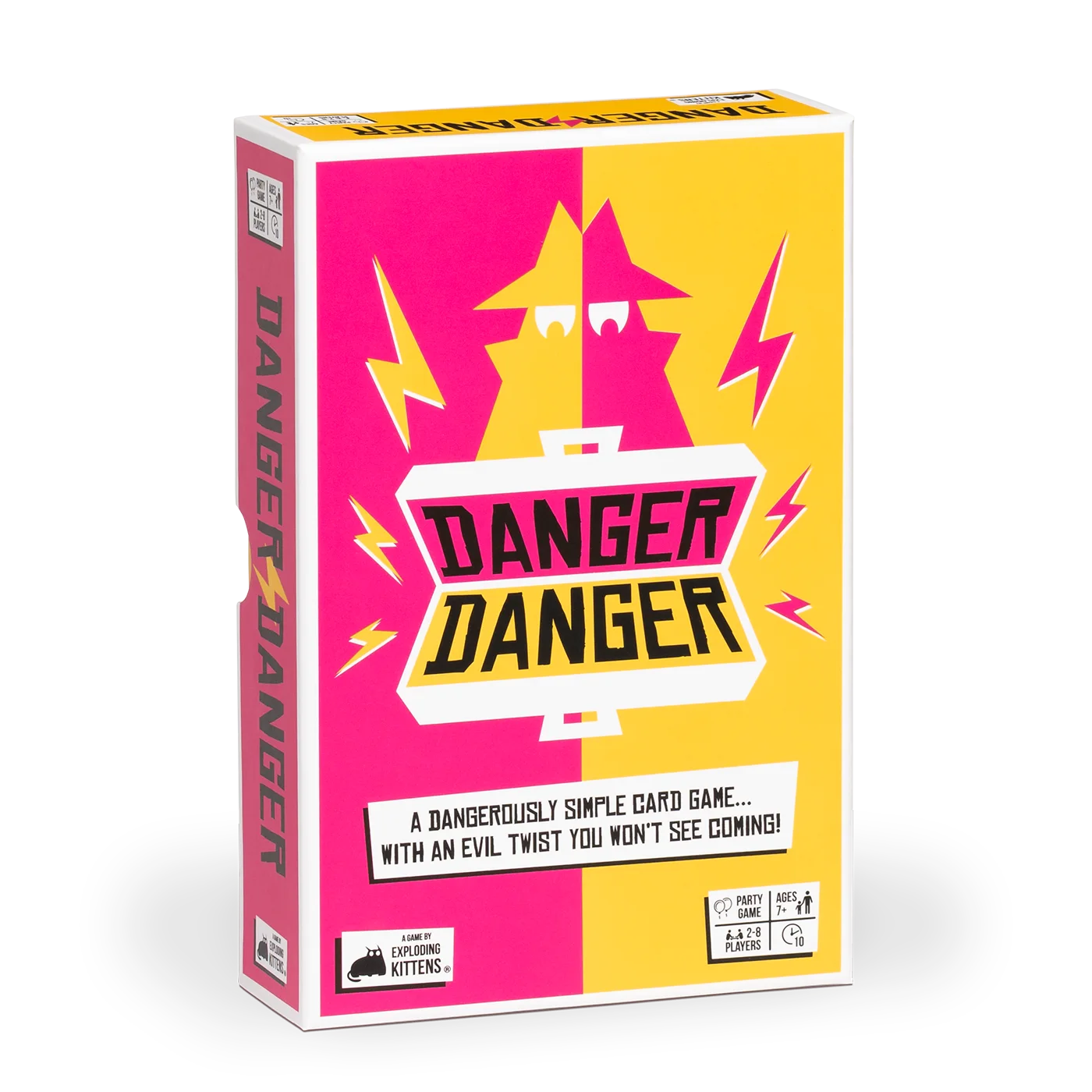
Bring a timer, not an assumption
The published box contents are 64 cards, five point tokens and instructions. A separate physical timer is not in that list. Plan a suitable timer and follow the rules for keeping it out of view. If you use a phone, make sure the alarm is audible and avoid letting messages or notifications interrupt the round. The game does not require you to buy a new device.
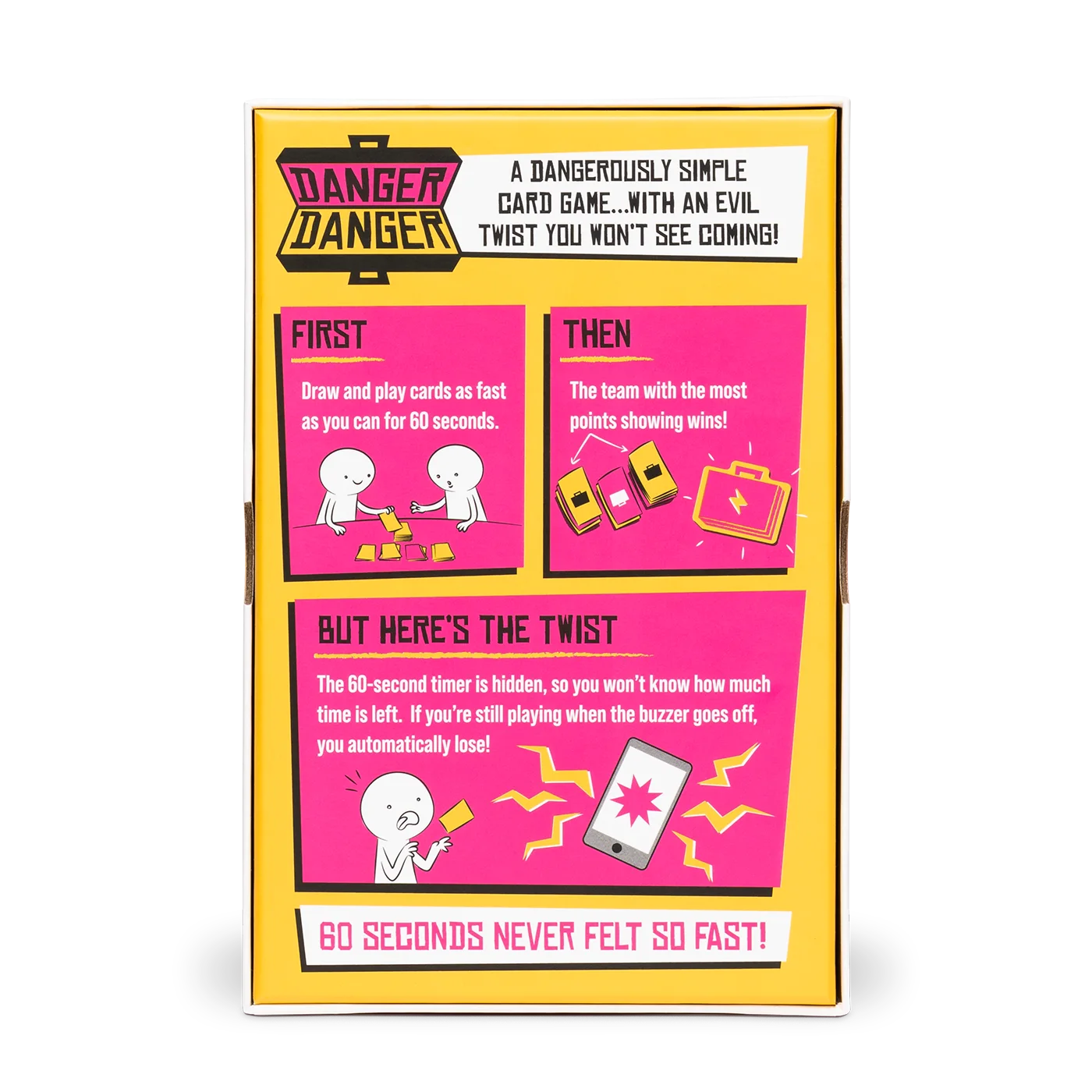
A short round still needs an introduction
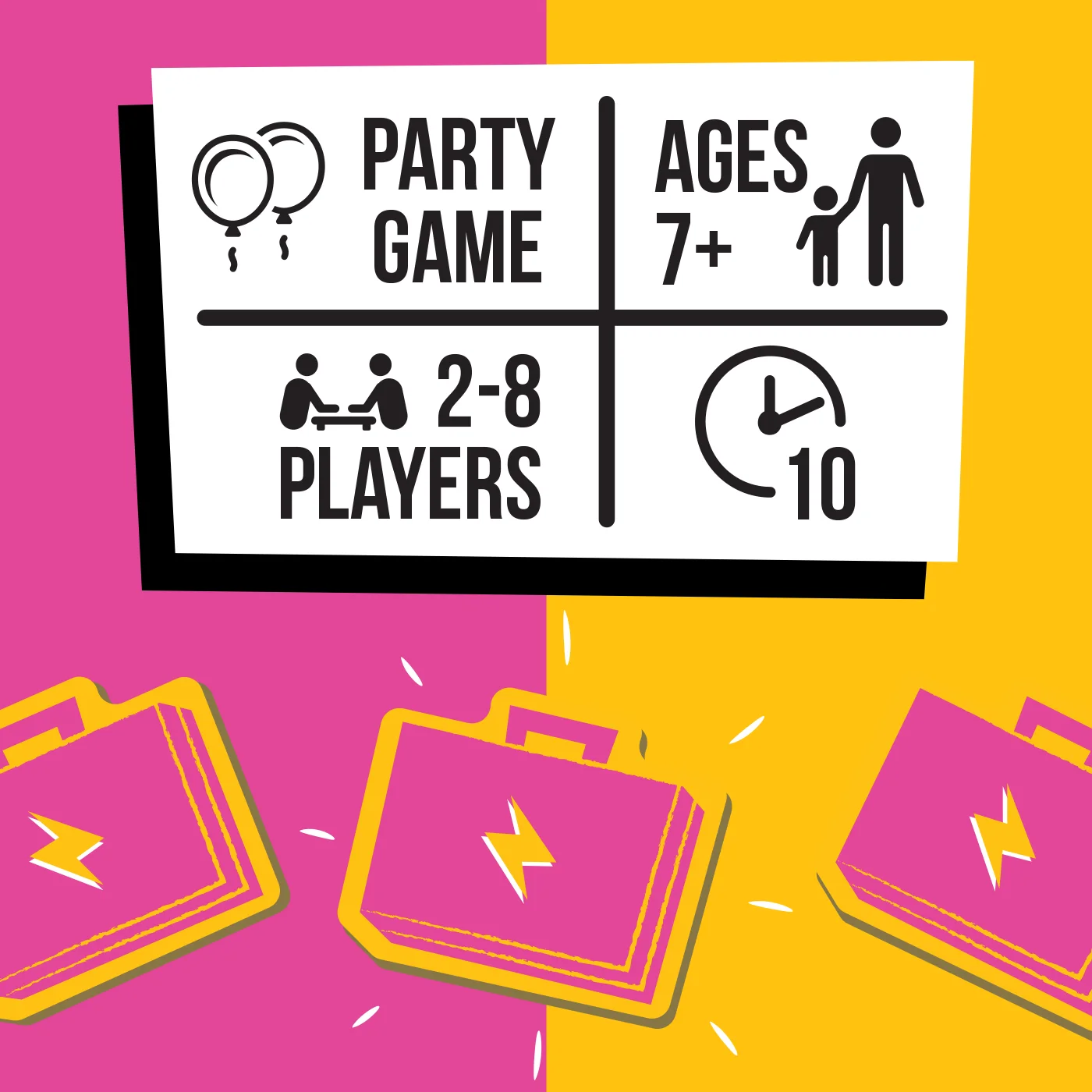
The maker lists ages seven and above, two to eight players and roughly ten minutes for a game. Explaining setup and scoring may take longer the first time. Use the included instructions rather than assuming the sixty-second round describes the whole session. Check that your table has enough space for both teams to see the cards clearly.
Choose this kind of energy
Select the English standalone DANG-CORE-4 edition when the hidden-clock idea appeals to your group. Skip it for relaxed individual turns or a table that dislikes timed competition. We have not played or timed it; the emotional appeal is the documented mechanic, not a promise of laughter or a claimed test result.