The clue is not supposed to look polished
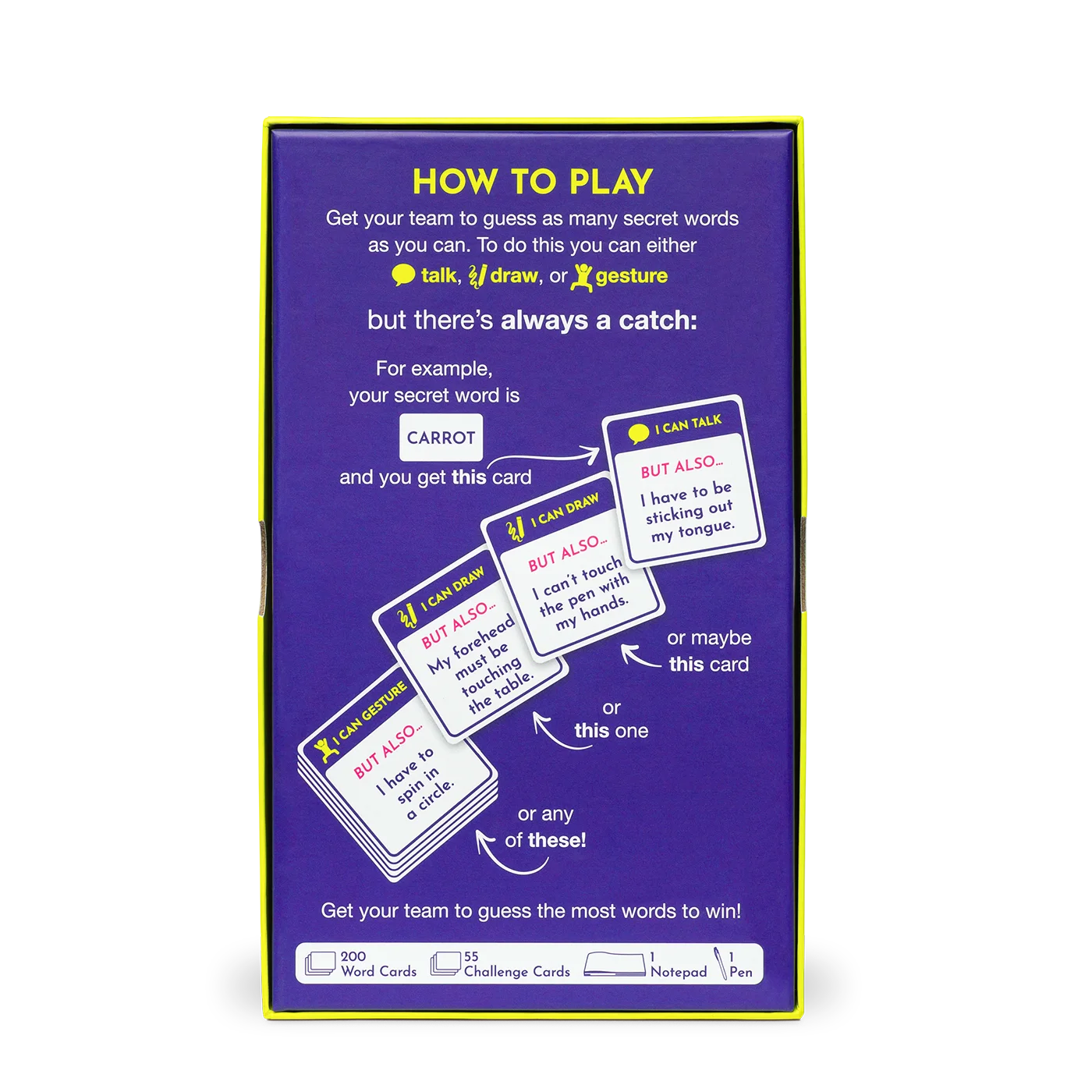
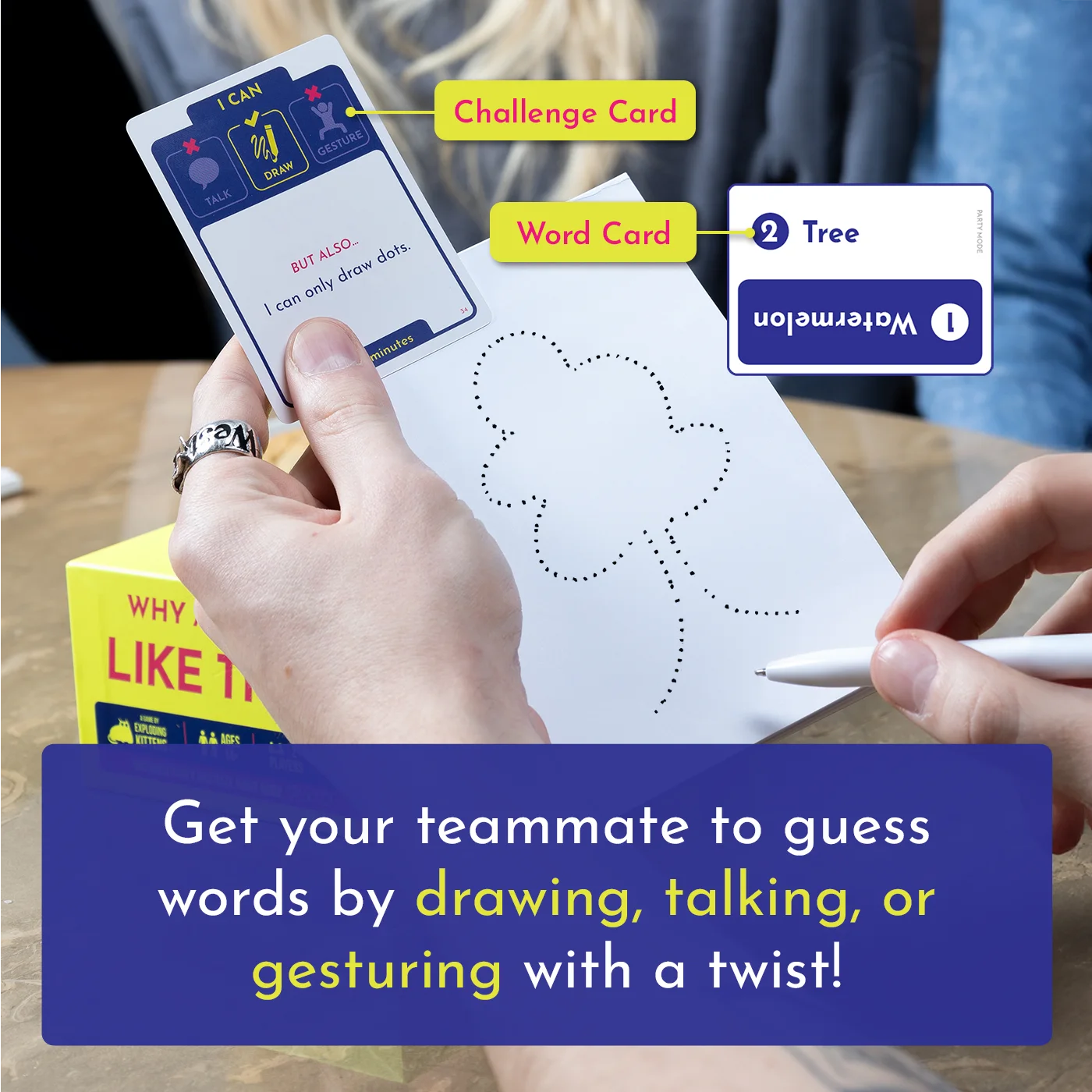
A conventional guessing game rewards the person who finds the cleanest explanation. Why Are You Like This? makes that explanation awkward on purpose. Players communicate words through talking, drawing or gestures while additional restrictions get in the way. The potential fun is seeing friends improvise around those limitations, not admiring flawless sketches or rehearsed performances. Choose it for people who can laugh at a failed clue without making the player feel singled out.
Check your group’s comfort level first
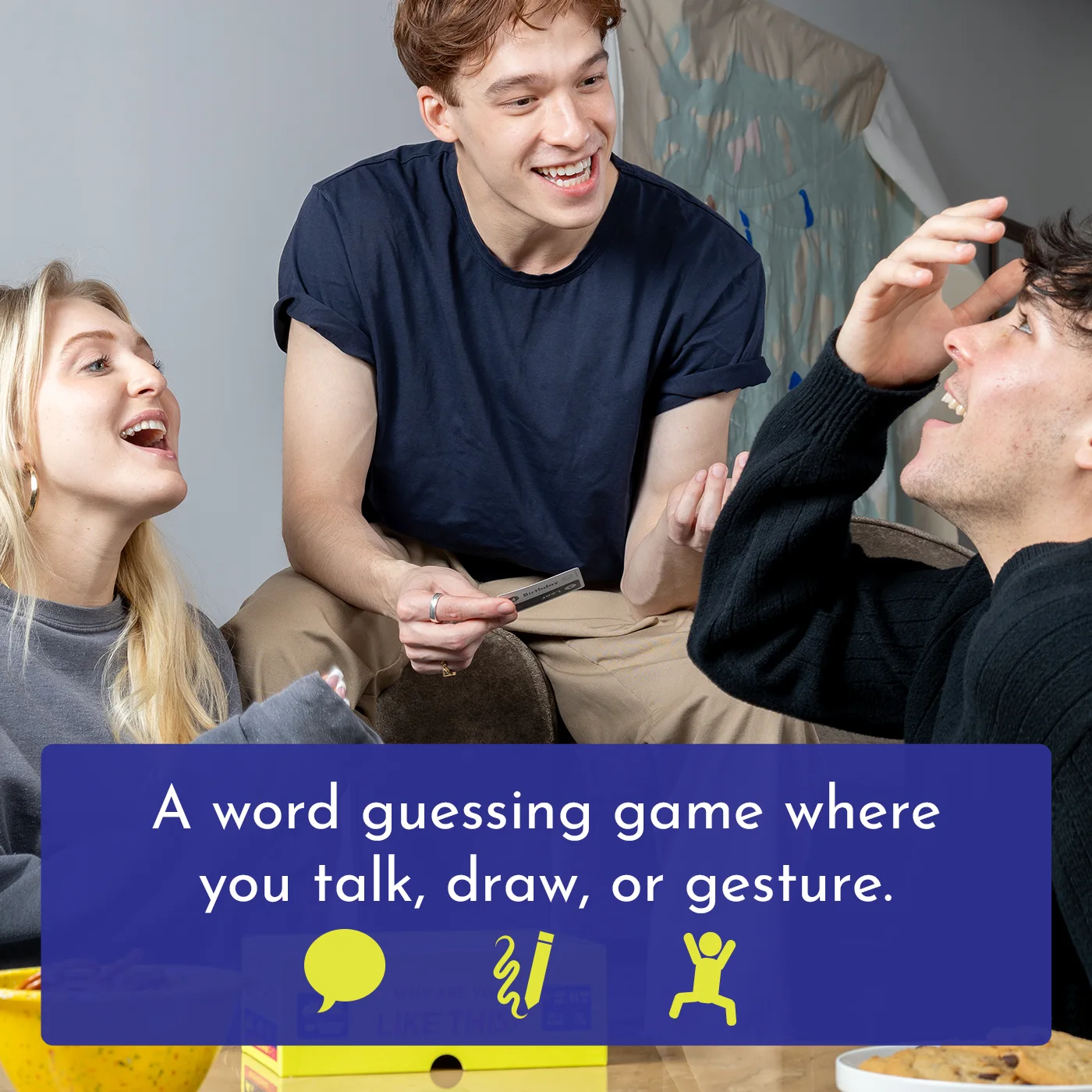
The game’s appeal depends on willingness to participate. Someone who enjoys acting out a ridiculous clue may love the premise; someone who dislikes performing in front of others may prefer a less exposed card game. Offer an easy opt-out rather than announcing that everyone must take a turn. Shared language matters too: understanding the words is part of the task, so a mixed-language gathering may need more patience than the short advertised duration suggests.
Two people can play, but check the mode
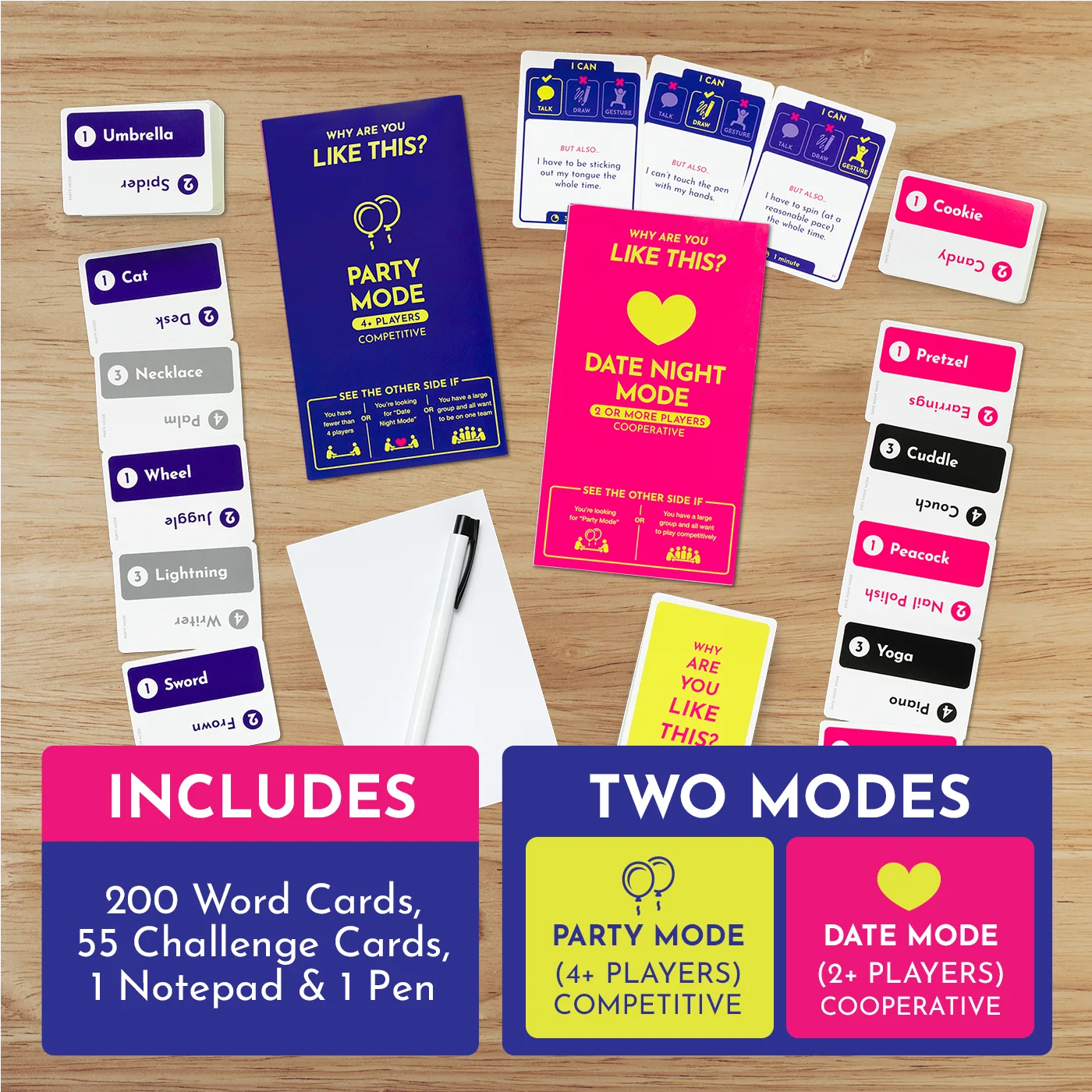
The maker lists two or more players and includes a cooperative Date Night Mode alongside group play. That gives the full game an option beyond a larger party. Read the instructions for your actual headcount instead of assuming the same team setup works for every group. The stated fifteen minutes is an estimate, not a promise that learning the rules and organising turns will fit into that window.
Know which box you are buying
This linked listing matches the Classic Edition, model WYLT-CORE-4. The manufacturer lists 200 word cards, 55 challenge cards, a notepad and a pen. Separate Grab & Game versions have different packaging and should not be treated as the same contents. Check the model and edition on the retailer page, especially if another listing looks cheaper.

Buy for the atmosphere, not the box slogan
The age guidance is fourteen and up. Set aside a comfortable place to draw and move, keep jokes kind, and follow the rules rather than inventing physical dares. Choose this when your friends enjoy collaborative silliness or timed guessing. Skip it for a quiet evening, a group that wants deep strategy, or younger children outside the manufacturer’s guidance. We have not played a test session; the recommendation concerns the mechanics and the audience they suit.