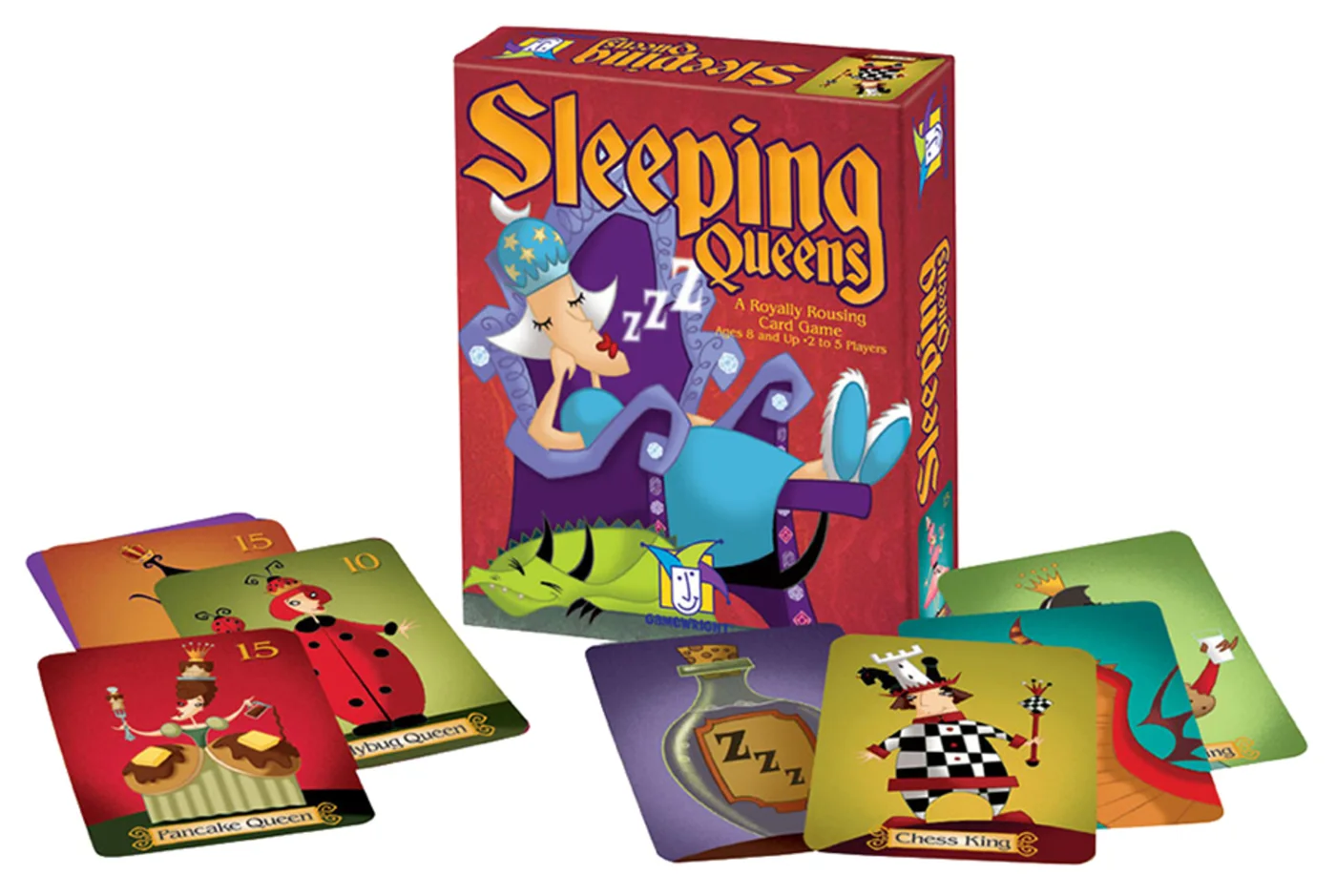
The Pancake Queen is asleep, a knight is plotting theft, and a dragon may ruin the plan. Sleeping Queens makes a small table feel like a playful royal argument. Choose the original game when your family enjoys quick surprises and can laugh when a hard-won queen changes hands.
Know which box you are buying
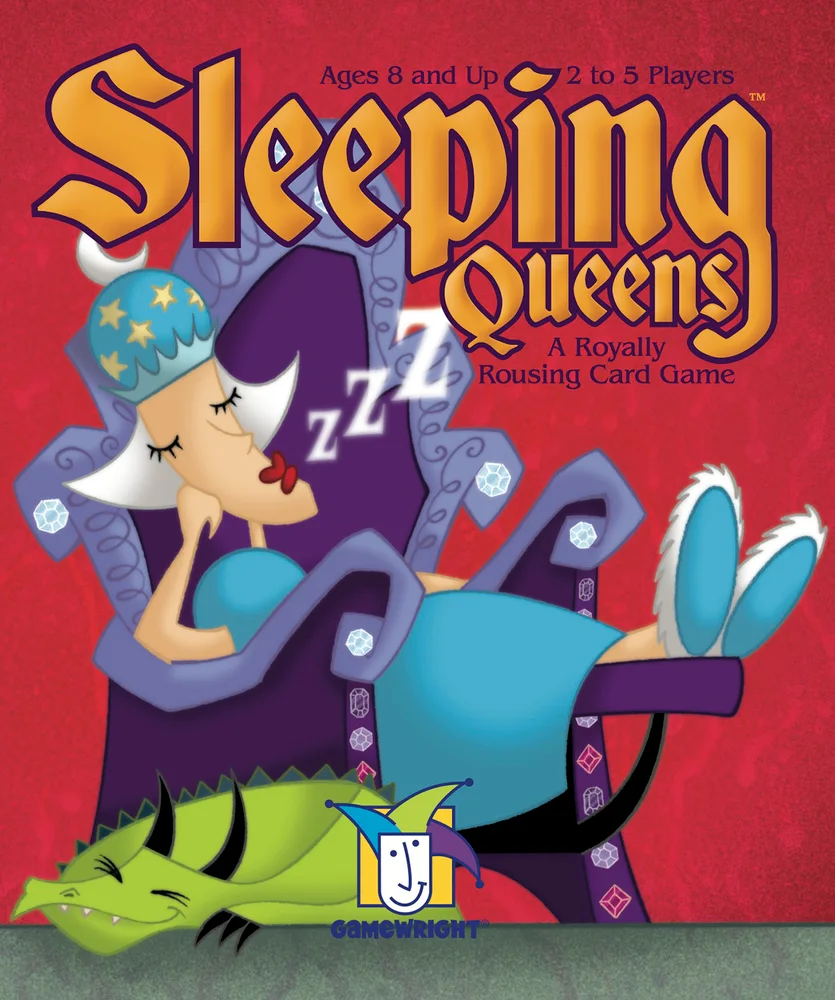
This is Gamewright’s original 230 edition with 79 cards, not Sleeping Queens 2 or an anniversary tin. The publisher recommends ages eight and up, two to five players and around twenty minutes. Different player counts change the winning target, so read the supplied rules rather than treating one advertised number of queens as universal.
Kings wake queens; knights can steal them, and sleeping potions send them back to slumber. Defensive cards matter because the game is not simply about collecting the most attractive illustration. Keep an eye on rivals while deciding which card to play.
Arithmetic has a job
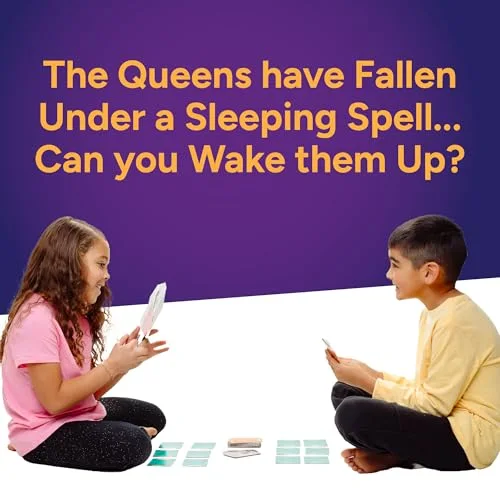
Number cards can be discarded through simple equations, refreshing a hand that is not helping. That gives addition a practical purpose without turning the evening into a worksheet. It is an opportunity to practise, not a promise of improved school performance. Help a younger player with the calculation without choosing every move.
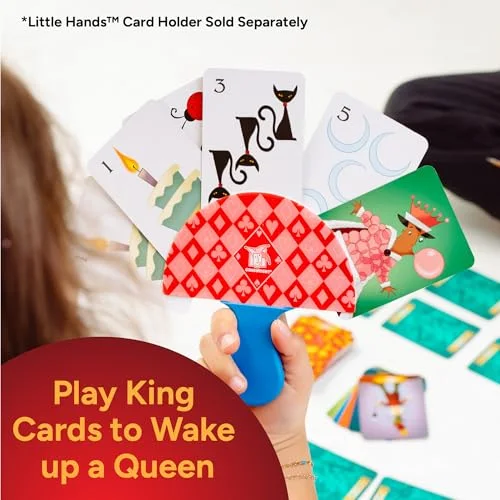
The illustrations make a friendly invitation, but the interaction is competitive. If a child finds stolen cards genuinely upsetting, a cooperative game may be a better match than hoping this charming artwork will remove that frustration.
A small-box family break
It is an appealing choice for after-dinner play, a visit to grandparents or a modest gift to a game-playing household. You still need enough table space to lay out the sleeping queens, and a surface that will not scatter cards in a breeze.
Buy for the mischievous back-and-forth, not for a serene bedtime activity or a serious adult strategy session. This recommendation is based on publisher rules and product research, not a claimed personal playtest.