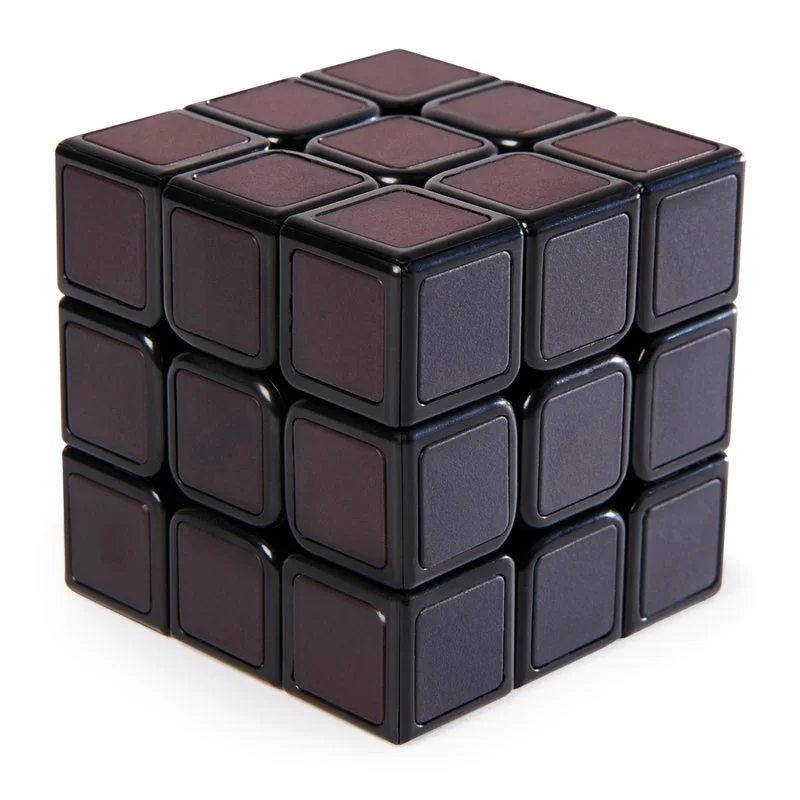
At first glance, the Rubik’s Phantom looks like a cube that has forgotten its colours. Pick it up, warm the tiles with your fingers, and the familiar puzzle begins to show itself. That reveal is the reason to consider it: a small, intriguing object to pass around, rather than a promise that another cube will make solving easy.
The surprise is in the surface
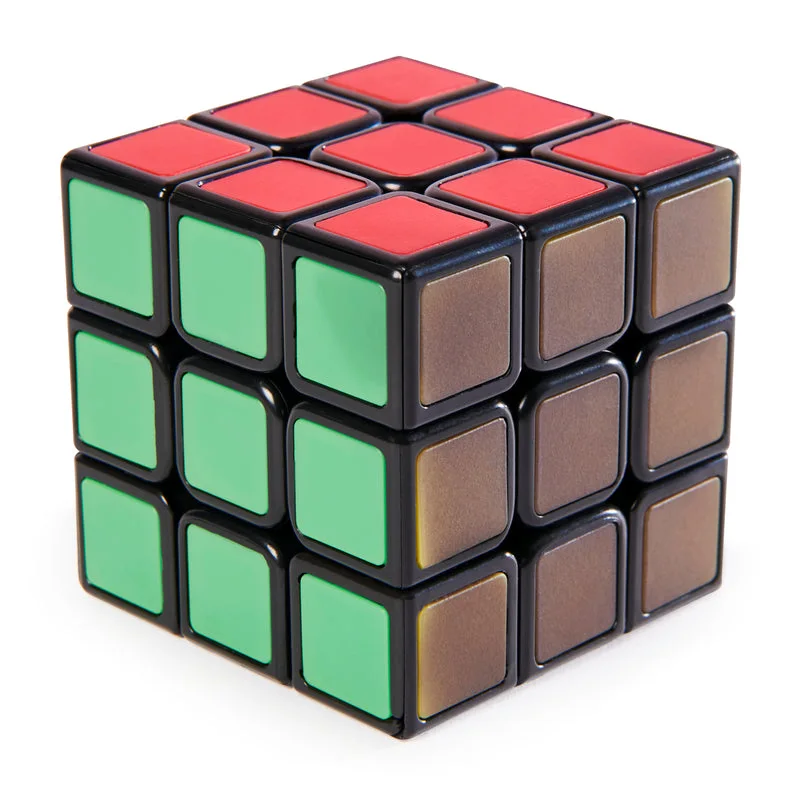
This is a 3x3 cube with heat-sensitive tiles. Colours appear with warmth and fade toward black as the surfaces cool. You still face the familiar arrangement problem, but reading the cube becomes part of the experience. Manufacturer photos explain the effect better than the nearly black product portrait alone. They are demonstrations, not evidence of our own handling.
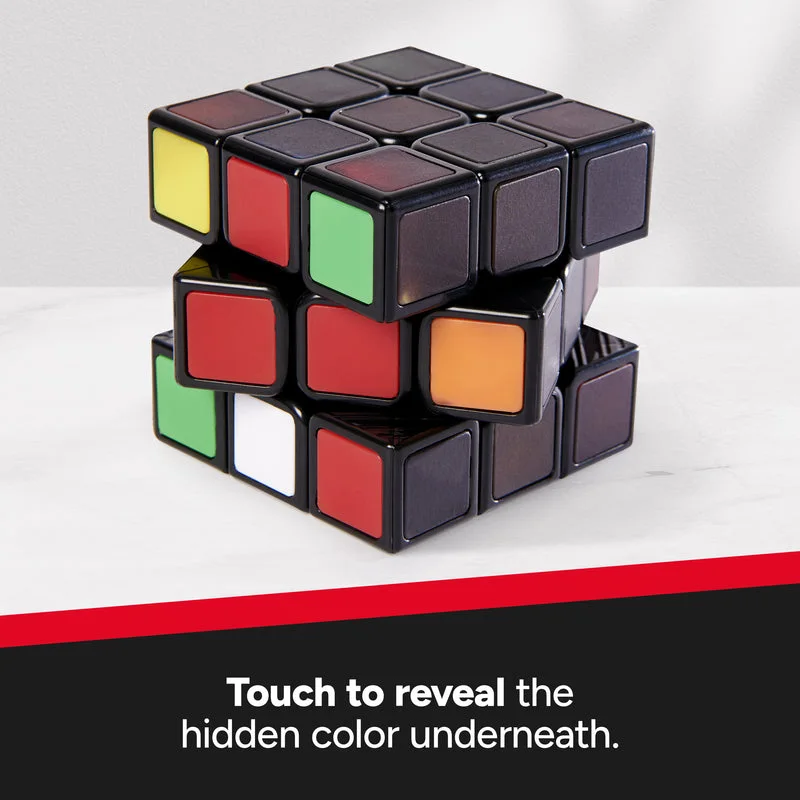
Room conditions matter. The maker recommends ideal play conditions at or below 79°F / 26°C. In a warm room, do not expect the same dramatic reveal-and-fade effect shown in cooler conditions. It is not a light-up electronic cube, and a photograph of bright colours does not mean they remain permanently visible.

Better as a twist than a first lesson
For someone who already likes puzzles, the Phantom adds a conversation starter to a familiar form. It could make a compact gift for a cubing enthusiast who enjoys unusual versions. For a beginner trying to follow a colour-by-colour tutorial, the disappearing colours add another complication. A standard, clearly coloured cube is a more straightforward starting point. The stated age guidance is eight and older.
Decide which kind of fun you want
Choose it for the reveal, the unusual appearance and the novelty of having to keep checking the colours. Skip it if you want a dedicated speed-solving tool, the easiest teaching cube or an effect that works identically in every climate. We have not measured its turning speed, fade time or durability, and there is no basis here to promise stress relief or improved cognitive ability.
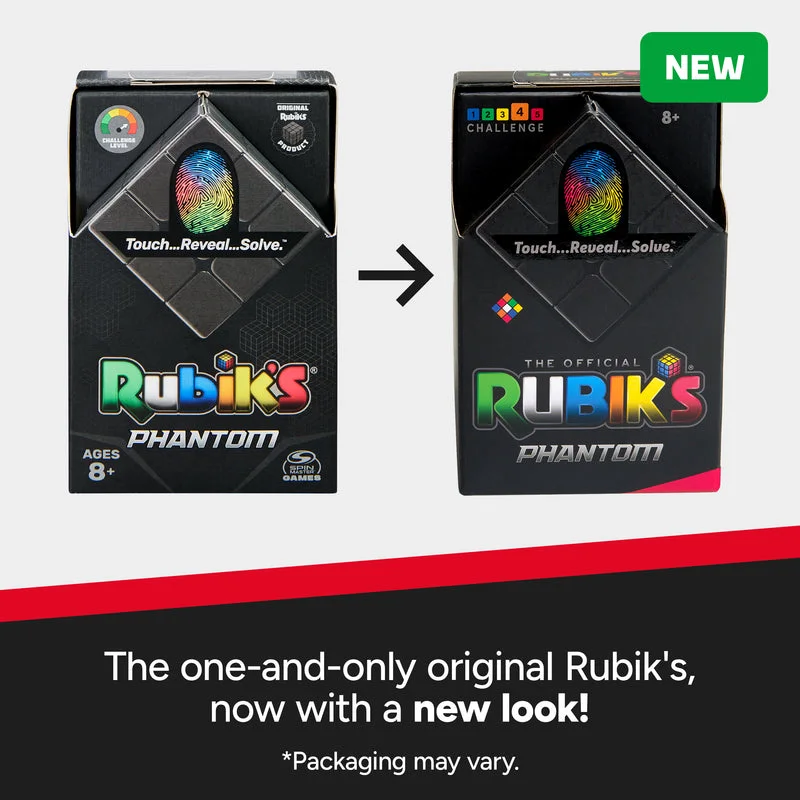
Before ordering, confirm the listing is the Phantom 3x3 rather than a standard cube with similar branding. Packaging designs can change. The interesting part remains simple: the colours are not merely decoration—they change how you look at a puzzle you thought you knew.